
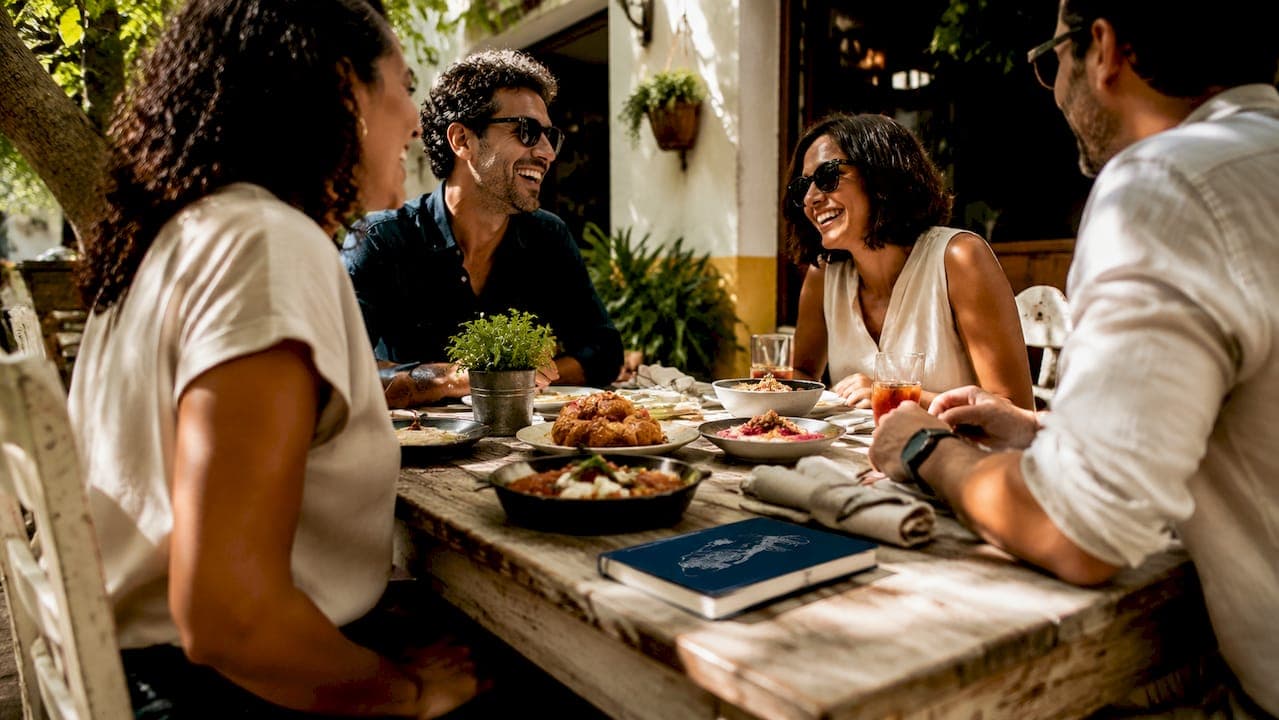
A vibrant brunch service is defined as a mid-morning dining experience that combines a specialized, made-to-order menu, deliberate service pacing, and a social atmosphere designed to make guests linger, connect, and celebrate. This is the industry's recognized standard for what separates a true brunch program from a restaurant that simply opens early and adds eggs to the dinner menu. In 2026, the best brunch services treat the meal as its own culinary discipline, not an afterthought. Places like Alma Café in New Orleans demonstrate what this looks like in practice: fresh tortillas, tropical flavors, farm eggs, and house-made sauces rooted in Honduran and Gulf South tradition, served in a space built for gathering.
What is a vibrant brunch service, and what defines it?
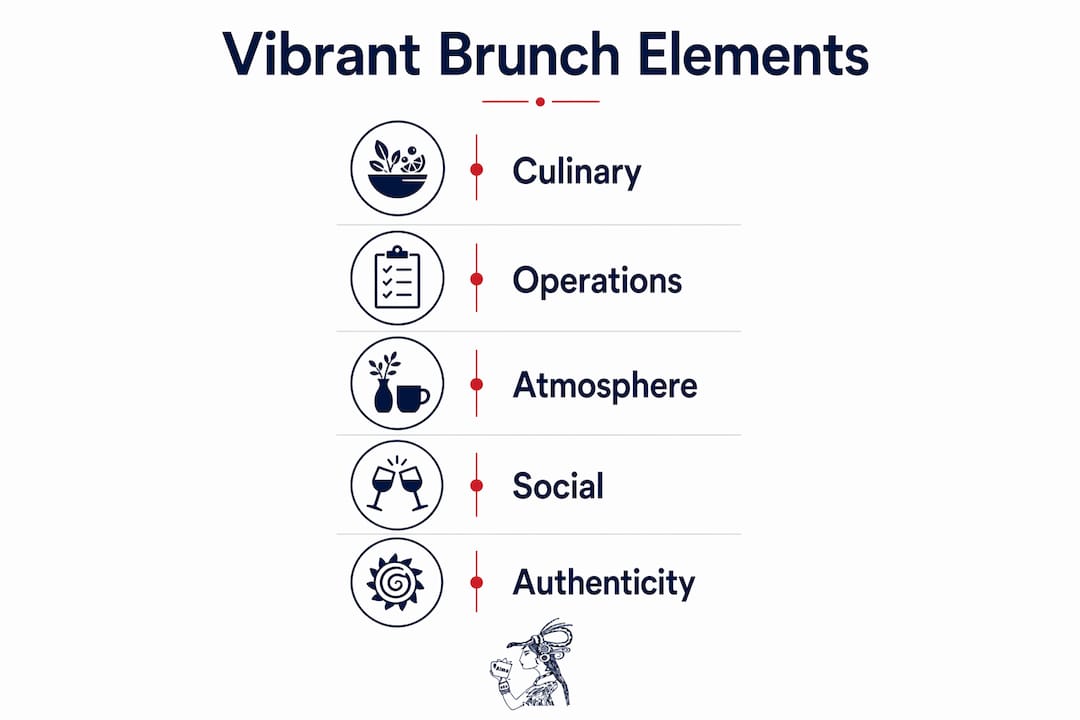
A vibrant brunch service is built on three pillars: culinary specificity, operational control, and social atmosphere. Remove any one of those three and the experience collapses into something ordinary. Brunch is a social occasion disguised as a meal, which means the kitchen, the floor staff, and the room itself must all work in the same direction. Successful operators balance creative menus, high-margin beverages, and warm, unhurried service to pull this off.
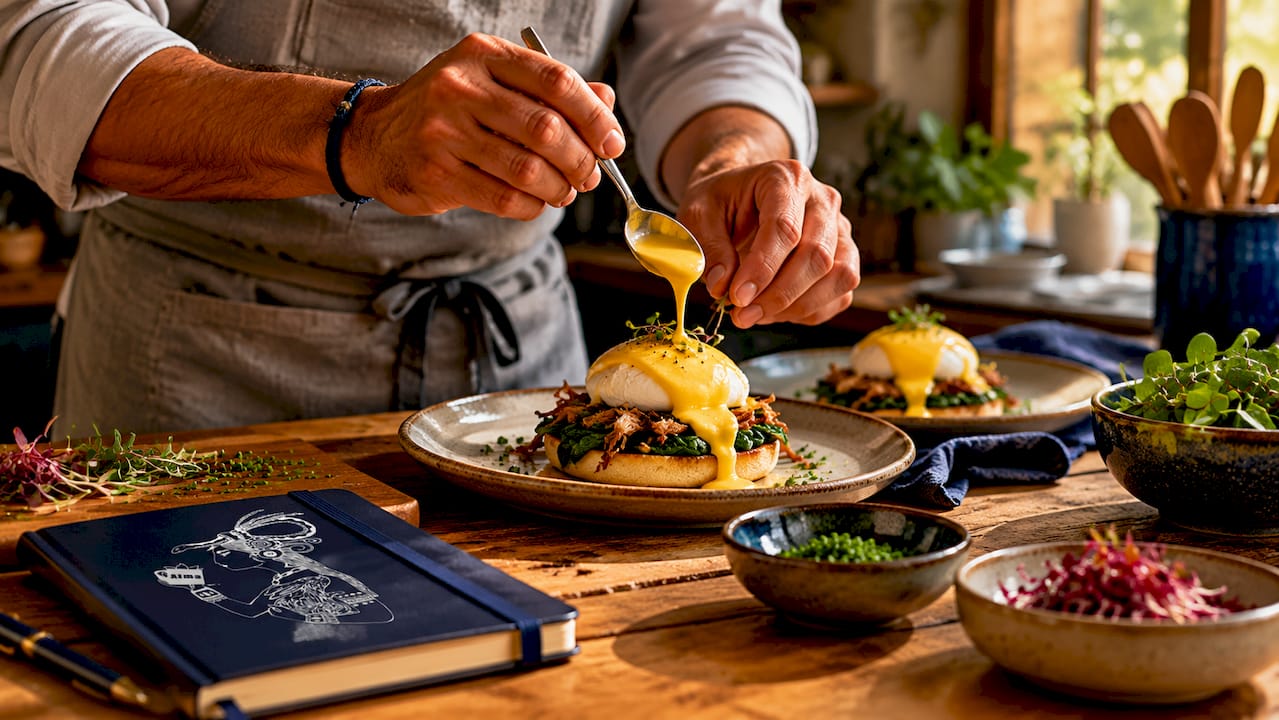
The culinary side demands dishes that only work at brunch. Eggs Benedict, poached to order with kitchen-made hollandaise, is the clearest signal of a kitchen that takes brunch seriously. Pancakes, house pastries, and slow-cooked proteins round out a menu that feels purposeful rather than assembled from whatever is already in the walk-in. Signature items specific to the restaurant's identity add the final layer of distinction.
The operational side is less visible to guests but equally critical. Pacing, seating flow, and ticket time targets determine whether the food arrives at its best or as a casualty of a kitchen in chaos. The atmosphere side is what guests remember most: the music, the light, the energy of the room, and whether the service team made them feel welcome or processed.
What are the essential culinary elements of a vibrant brunch menu?
A well-designed brunch menu typically features 25 to 40 items organized into 5 to 7 distinct categories, balancing variety with what the kitchen can actually execute well under pressure. That structure matters because it gives guests enough choice to feel excited without overwhelming them or the line cooks. Categories commonly include eggs and benedicts, griddle items, savory plates, pastries and breads, sides, cocktails, and non-alcoholic drinks.
The items within each category deserve equal attention. Here is what a strong brunch menu includes:
- Anchor dishes done exceptionally well. Eggs Benedict and pancakes are expected. The question is whether yours are made with care or assembled from shortcuts.
- Signature items unique to the restaurant. A Honduran-inspired huevos rancheros or a Gulf South shrimp and grits variant gives guests a reason to choose you specifically.
- In-house preparation markers. Fresh hollandaise and poached eggs made to order signal kitchen commitment. Held eggs and packaged sauces signal the opposite.
- Beverage depth. Creative cocktails, specialty coffee, and fresh juice options extend the experience and lift the check average.
- Tiered pricing. A range from approachable to premium gives guests agency and improves overall table revenue.
Menu layout is also a sales tool. Strategic placement of high-margin items where diners' eyes land first, typically the center and top right of the page, can increase sales by up to 15%. That is not a design detail. It is a revenue decision.
Pro Tip: Cap each category at 7 items maximum. A menu capped at 7 items per category reduces decision fatigue for guests and keeps the kitchen from being spread too thin during peak service.
| Category | Purpose |
|---|---|
| Eggs and benedicts | Anchor dishes that signal brunch specialization |
| Griddle items | High-volume crowd pleasers with strong margin |
| Savory plates | Signature and culturally specific offerings |
| Pastries and breads | In-house prep markers that signal craft |
| Beverages | Cocktails and coffee that extend dwell time and revenue |
How does operational management enhance the vibrancy of brunch service?
Operational management is the invisible architecture of a great brunch. Guests never see it working correctly. They only notice when it fails. The single most important factor is seating control at the host stand, which determines whether the kitchen can keep up or falls behind and drags every table's experience down with it.
Here is how strong brunch operations manage flow:
- Limit new seatings to roughly 25 guests every 15 minutes. Seating 25 guests every 15 minutes prevents kitchen bottlenecks and keeps ticket times under 25 minutes. Beyond that threshold, the kitchen begins to lose control of quality.
- Set a firm ticket time target. Guests who wait over 40 minutes report significantly lower satisfaction regardless of food quality. Speed is not the goal. Consistency within a reasonable window is.
- Empower hosts to protect seated guests. The host's primary job during peak service is not to fill tables as fast as possible. It is to protect the experience of guests already seated. Slowing or pausing seating when the kitchen signals stress is a professional decision, not a failure.
- Identify and manage "in the weeds" moments early. When a section falls behind, the manager's job is to intervene before guests notice, not after they complain.
- Communicate across the floor and kitchen in real time. Servers, runners, hosts, and kitchen staff must share information continuously. A table that has been waiting 20 minutes should never be a surprise to anyone on the floor.
Pro Tip: Train hosts to see their role as guest experience protectors, not table turners. Protecting seated guests over rushing new seatings is the single habit that separates smooth brunch operations from chaotic ones.
The payoff for getting this right is significant. Guests who leave satisfied return. Guests who waited too long, received cold food, or felt rushed rarely do. Operational discipline is what makes a vibrant brunch repeatable rather than accidental.
What role does atmosphere and social experience play in a vibrant brunch?
Atmosphere is not decoration. It is the emotional context in which every bite and every conversation happens. Lighting, room texture, and service energy set a tone that guests absorb before they read a single menu item. A well-paced service avoids rushing guests, creating the kind of memorable moments that encourage socializing and return visits.
The social dimension of brunch is what separates it from every other meal. Guests come to celebrate birthdays, reunite with friends, mark milestones, or simply slow down a weekend morning. The room and the service team must honor that intention.
Several specific elements drive atmosphere in the best brunch venues:
- Music selection and volume. The right playlist at the right level creates energy without making conversation difficult. This is harder to get right than most operators admit.
- Natural light and spatial warmth. Brunch is a daytime meal. Spaces that use natural light well feel more alive than those that rely on artificial ambiance.
- Service attitude. A team that is genuinely warm and unhurried communicates that guests are welcome to stay. That feeling directly influences dwell time and beverage reorders.
- Drink programs built for socializing. Creative cocktails, tropical fruit-forward options, and specialty coffee give guests reasons to keep the table going. Immersive brunch experiences at the premium end of the market command $107 to $216 per person precisely because they treat the drink program and entertainment as central, not supplemental.
"Brunch is where the meal becomes the occasion. The food earns the seat, but the atmosphere earns the memory."
You can read more about how this plays out locally in brunch culture in New Orleans, where the social dining tradition runs especially deep.
How to identify authentic versus superficial brunch services
Not every restaurant that serves eggs on a Saturday qualifies as a vibrant brunch service. Knowing the difference saves you from a disappointing meal and helps you find the places worth returning to.
Brunch treated as its own culinary discipline shows up in specific, observable ways. Authentic brunch kitchens poach eggs individually to order and make hollandaise in-house multiple times per service. The menu is built around brunch-specific dishes, not repurposed dinner proteins with a fried egg on top.
| Signal | Authentic brunch | Superficial brunch |
|---|---|---|
| Egg preparation | Poached to order, fresh per table | Pre-cooked, held in water bath |
| Sauces | Hollandaise made in-house, multiple batches | Packaged or pre-made sauce |
| Menu design | Brunch-specific categories and dishes | Dinner menu plus 4 breakfast items |
| Beverage program | Craft cocktails, specialty coffee, fresh juice | Mimosa pitchers and drip coffee only |
| Service pacing | Deliberate, guest-centered flow | Tables turned as fast as possible |
A superficial brunch is easy to spot once you know what to look for. The menu reads like a dinner menu with a few egg dishes appended. The hollandaise tastes flat or overly thick, a sign it came from a packet. The server seems focused on turning the table rather than making you comfortable. These are not minor complaints. They are structural signals that the kitchen was never set up to do brunch well.
When choosing where to spend a weekend morning, look for restaurants that specialize in brunch traditions rather than those that simply extend their hours. The difference in experience is immediate and worth the extra research.
Key takeaways
A vibrant brunch service requires culinary specialization, deliberate operational pacing, and a social atmosphere working together to create a memorable guest experience.
| Point | Details |
|---|---|
| Culinary specialization | Menus built around brunch-specific dishes signal kitchen commitment and guest respect. |
| Menu architecture | Five to seven categories with no more than 7 items each reduces decision fatigue and supports kitchen efficiency. |
| Operational pacing | Limiting new seatings to 25 guests every 15 minutes keeps ticket times under 25 minutes and protects food quality. |
| Atmosphere and social design | Lighting, music, service attitude, and beverage programs determine whether guests linger or leave. |
| Authenticity markers | Fresh hollandaise, poached-to-order eggs, and brunch-specific menus separate genuine programs from superficial ones. |
What I've learned from watching brunch services succeed and fail
By Melissa
After spending years eating at brunch spots across the Gulf South and beyond, the pattern I keep seeing is this: the restaurants that get brunch right treat it as a completely separate operation from everything else they do. They staff differently, prep differently, and think about the guest's time differently. The ones that get it wrong treat brunch as a revenue extension of their dinner program, and guests feel that immediately even if they cannot name why.
The most common mistake I see is operators who underestimate the host stand. They hire their least experienced person to seat guests and then wonder why the kitchen falls apart by 11 a.m. Seating control is a skilled position during brunch. It requires reading the floor, communicating with the kitchen, and making judgment calls that protect the experience of everyone already seated.
The second mistake is menu overreach. A brunch menu with 60 items is not generous. It is a liability. It slows ordering, strains the kitchen, and usually means nothing is done particularly well. The best brunch menus I have encountered are focused and confident. They say: here is what we do, and we do it better than anyone else.
What guests value most, in my experience, is not the most elaborate dish or the most creative cocktail. It is the feeling that the restaurant was ready for them. That the food came out right, the server was present without being intrusive, and the room felt alive without being chaotic. That combination is rarer than it should be, and when you find it, you go back.
— Melissa
Experience a vibrant brunch at Alma Café in New Orleans
Alma Café in New Orleans is built around exactly the principles this article describes. The brunch menu at Alma Café features fresh tortillas, farm eggs, tropical flavors, slow-cooked meats, and house pastries rooted in Honduran and Gulf South tradition, all prepared with the in-house craft that separates authentic brunch from imitation. The cocktail bar brings Latin American spirits and fresh fruit into a drink program designed for leisurely weekend mornings.
For groups celebrating a birthday, reunion, or any occasion worth marking, Alma Café's private dining options create the kind of intentional, social brunch experience this article describes. Explore the menu and plan your visit at Eatalmanola.
FAQ
What is a vibrant brunch service in simple terms?
A vibrant brunch service is a mid-morning dining experience built around a specialized menu, deliberate service pacing, and a social atmosphere that encourages guests to linger and connect. It is distinct from a standard breakfast or lunch service in both kitchen preparation and guest experience design.
How many items should a brunch menu have?
A well-structured brunch menu features 25 to 40 items across 5 to 7 categories, with no more than 7 items per category. This range balances guest choice with kitchen efficiency and reduces decision fatigue during peak service.
What makes brunch service different from breakfast service?
Brunch service is designed as a social occasion with a celebratory mindset, a broader menu that includes cocktails and specialty beverages, and a service pace that welcomes longer guest dwell times. Breakfast service is typically faster, more functional, and less focused on atmosphere.
How can I tell if a brunch spot is genuinely good?
Look for eggs poached to order, hollandaise made in-house, a menu built specifically around brunch dishes, and a service team that feels unhurried. These signals indicate a kitchen and floor operation designed for brunch rather than adapted from another meal period.
Why does seating control matter so much at brunch?
Seating too many guests at once overwhelms the kitchen and pushes ticket times past the point where food quality holds. Limiting new seatings to around 25 guests every 15 minutes keeps the operation running smoothly and protects the experience of every guest already at the table.