
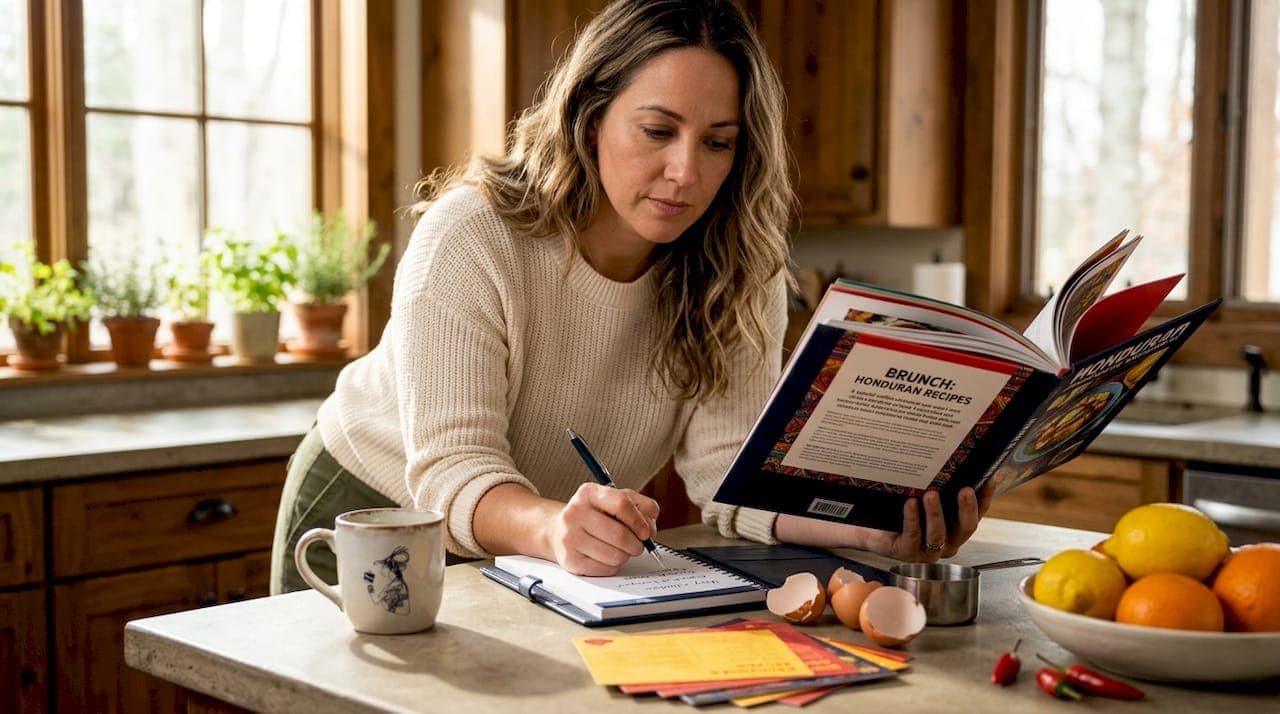
Planning a weekend brunch celebration sounds fun until you realize you're juggling a menu, a table setup, guest timing, and three different dietary restrictions before 9 AM. What most hosts call "throwing together a brunch" is actually a form of event production, and treating it that way makes all the difference. This weekend brunch celebration checklist gives you a practical, section-by-section framework covering everything from menu quantities to decor layout to activities, so you spend the morning enjoying your guests instead of running back to the kitchen every ten minutes.
Table of Contents
- Key takeaways
- 1. Building your weekend brunch celebration checklist around the menu
- 2. Setting your prep timeline to avoid morning chaos
- 3. Creating a decor setup that feels intentional, not overdone
- 4. Planning activities that fit within the brunch window
- 5. Adjusting your checklist by party size and brunch format
- What I've actually learned about hosting brunch well
- Experience brunch the way it was meant to feel
- FAQ
Key takeaways
| Point | Details |
|---|---|
| Make-ahead dishes win | Build your menu around casseroles and room-temperature items so you're free when guests arrive. |
| Prep windows matter | Use a 4-stage timeline (weeks out, week before, day before, morning of) to avoid last-minute scrambling. |
| Decor should be simple | Low centerpieces, linen napkins, and natural light create atmosphere without added stress or expense. |
| Buffet layout reduces bottlenecks | Organize stations by temperature zone and separate drinks from food to keep guest flow smooth. |
| Activities should fit the window | Light games or build-your-own stations work best within the typical 2 to 3 hour brunch window. |
1. Building your weekend brunch celebration checklist around the menu
The foundation of any great brunch party planning session is the menu. Before you think about flowers or playlists, you need to know what you're serving and how much of it. The term "brunch menu planning" in professional event circles refers to the process of balancing hot and cold dishes, savory and sweet options, and guest dietary needs into one cohesive spread.
Your best strategy is to choose mostly make-ahead dishes that hold well at room temperature or can be kept warm in the oven without monitoring. Think egg casseroles, quiche, baked French toast, roasted potatoes, and fruit salad. These free you up entirely on the morning of your event.
When planning what to serve at brunch, aim for at least one anchor savory dish, one sweet baked item, a fresh fruit or salad element, and a solid beverage station. Here is a quick building-block list:
- Savory anchor: Egg casserole, quiche, or a breakfast strata baked the day before
- Sweet element: Banana bread, cinnamon rolls, or a yogurt parfait bar guests can build themselves
- Fresh sides: Sliced fruit, a citrus salad, or roasted vegetables at room temperature
- Beverage station: Coffee, juice, and one signature cocktail or mocktail served in a pitcher
For quantities, follow these portioning guidelines: plan 1.5 servings per person for mains, 2 oz of cheese or cured meat per person for grazing boards, about half a cup of fruit salad per person, and 2 cups of coffee per adult. For mimosas or bellinis, budget roughly 2 to 3 bottles of Prosecco for 8 guests.
Pro Tip: Keep one or two items that can go directly from the oven to the table as your only "hot" dishes. Relying mostly on make-ahead casseroles and room-temperature sides means you're not chained to a stove when your guests walk in.
If you want inspiration rooted in something more specific, Eatalmanola's brunch celebration menu guide breaks down how to build a culturally rich spread that still feels approachable at home.
2. Setting your prep timeline to avoid morning chaos
Timing coordination is the part of brunch hosting that trips people up most, not the cooking. The fix is working backward from your start time and assigning every task to a specific prep window. The ideal brunch start time falls between 10:30 AM and noon, giving guests time to arrive relaxed and giving you a clear endpoint around 1 or 2 PM.
Here is a proven prep timeline to build your gathering checklist around:
- 2 to 4 weeks out: Set your date, finalize the guest list, send invitations, and identify your brunch celebration theme if you're using one.
- 1 week out: Finalize the menu, order any specialty items, and buy non-perishable pantry goods like canned goods, coffee, juice, and baking staples.
- 1 to 2 days before: Shop for produce and proteins. Prep any make-ahead brunch recipes like casseroles, baked goods, or marinated items. Set up your serving stations and label dishes.
- Morning of: Preheat oven, pull refrigerated dishes out 30 minutes early, brew coffee, assemble the yogurt bar or fruit platters, and do a final table check.
Pro Tip: Set the table entirely the night before. Place serving dishes, spoons, labels, and folded napkins. When you wake up the morning of, half the work is already done and your stress level drops significantly.
The morning-of prep list should be short by design. If you have more than five tasks left to do when guests are arriving in two hours, you have not front-loaded enough preparation in the days before.
3. Creating a decor setup that feels intentional, not overdone
Brunch decoration tips tend to go one of two directions: too minimal (a bare table with random plates) or too elaborate (new purchases everywhere that eat into your budget and your time). The sweet spot is intentional simplicity. Use what you already own creatively, and add one or two specific touches that tie the space together.
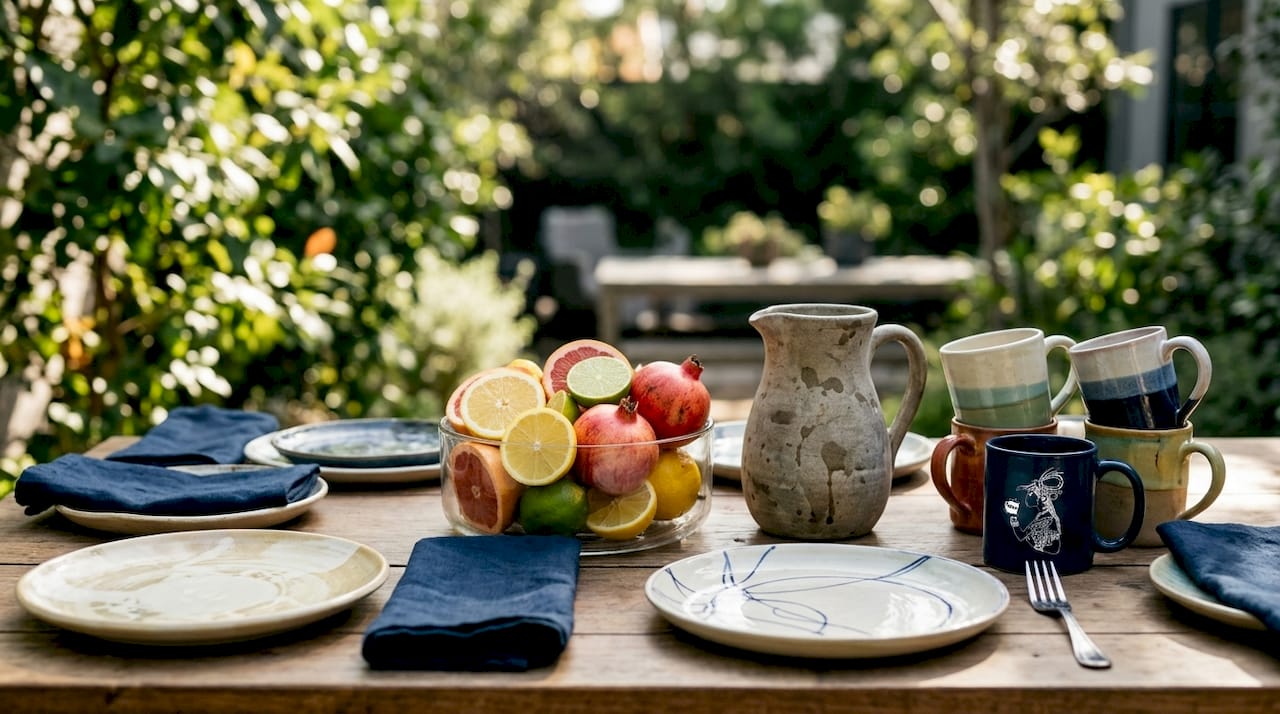
Simple, purposeful decor consistently outperforms over-decorated tables. Fresh flowers from a grocery store, a few herb sprigs like rosemary or mint, and linen napkins can completely transform an ordinary table without costing much. Natural light does more for atmosphere than any string light or candle arrangement.
Here are the decor checklist categories worth going through before your event:
- Centerpiece: Use a low floral arrangement, a cluster of small bud vases, or a wooden board with herbs. Low centerpieces keep sightlines open and keep conversation easy.
- Tableware: Layer a charger, a dinner plate, and a smaller plate for pastries. Mix textures like ceramic and linen for visual warmth.
- Napkins: Cloth napkins folded simply signal intentionality without being formal. Paper napkins work fine for casual gatherings.
- Place cards: Place cards shape seating dynamics beyond just aesthetics. They ease social flow and eliminate that awkward "where should I sit?" moment.
- Drink station: Set this up away from the food table. A separate drink station reduces congestion and lets guests refill freely without interrupting the food line.
Pro Tip: Avoid buying new decor items for each event. Rotate what you own, and use seasonal produce (citrus slices, pomegranates, herbs) as both decor and table garnish.
4. Planning activities that fit within the brunch window
Activities at brunch work best when they feel like a natural extension of the gathering, not a scheduled event. The typical brunch runs about 2 to 3 hours, which means you have a limited, comfortable window to fit anything beyond eating and conversation.
The most effective interactive elements are ones guests can engage with at their own pace. Consider these additions based on your brunch celebration theme or occasion:
- Build-your-own stations: A mimosa bar, a waffle topping station, or a yogurt parfait bar gives guests something to do while naturally sparking conversation. These also reduce pressure on you as the host since guests are self-serving.
- Light games: A trivia card set, a simple card game, or a "guess the ingredient" challenge works well for birthday or casual weekend brunches.
- Gift exchanges: For celebration brunches like baby showers or bridal brunches, schedule the gift portion after the first round of food. Guests are more relaxed and present once they've eaten.
- Photo moment: A simple corner with good natural light, a small prop or two, and a phone stand creates a natural photo opportunity without needing an actual photo booth setup.
The key is balance. Activities should complement the food and conversation rhythm, not compete with it. Do not schedule anything that requires full group attention during the first 45 minutes. Let people eat and settle in first.
5. Adjusting your checklist by party size and brunch format
Not every gathering checklist looks the same. A birthday brunch for 8 requires a different approach than a post-event brunch for 20. Matching your checklist to your specific format prevents overcomplication and keeps you from over-preparing or under-serving.
Here is a practical comparison of key checklist categories across different formats:
| Category | Small gathering (6 to 10) | Larger gathering (12 or more) |
|---|---|---|
| Menu variety | 3 to 4 dishes cover it well | 5 to 6 dishes with more variety needed |
| Service format | Plated or family-style works well | Buffet strongly preferred |
| Buffet layout | Single central table is fine | Organize by temperature zone: savory mains first, cold items mid-table, grab-and-go last |
| Decor complexity | Simple centerpiece, minimal styling | Drink station separated, clear signage for dishes |
| Activities | Conversation-driven, one optional game | Build-your-own stations work best for crowd engagement |
| Prep window | 1 day before is usually enough | Begin 2 days before; more dishes need staggered oven time |
For groups of 20 or more, set up your buffet line starting with plates, then savory hot items, then cold or room-temperature dishes, ending with silverware and napkins. A separate drink station is not optional at this scale. It is what keeps the line moving.
For smaller, more elegant brunches, plated service adds a refined touch. Prepare each plate 15 to 20 minutes before guests sit down and cover loosely with foil to retain warmth. It requires more precision but rewards you with a polished, memorable experience.
What I've actually learned about hosting brunch well
I've watched hosts stress over made-to-order omelets and elaborate tiered displays when the guests were perfectly happy with a warm quiche and good coffee. The myth that fresh-cooked equals impressive is one of the biggest traps in brunch hosting. What guests actually respond to is a relaxed host who is present, attentive, and not disappearing into the kitchen every ten minutes.
In my experience, simplified menus and preparation increase host presence, and host presence is what makes a gathering memorable. A relaxed host improves the entire room.
The other thing I'd push back on is the idea that you need a theme to make brunch feel special. Intentional simplicity, a well-set table, and food that tastes genuinely good beat a perfectly color-coordinated tablescape every time. Start with one strong dish you know and love, like farm eggs done well, and build outward from there.
Finally: give yourself permission to adjust your checklist as you host more. The first time you use any framework, it'll feel a little rigid. By the third time, you'll know exactly which items to trim and which to expand. That personalized checklist is the one that actually works for you.
— Melissa
Experience brunch the way it was meant to feel
If you've worked through this checklist and you're thinking "I'd love someone else to handle all of this," Eatalmanola's private dining and event services are built exactly for that. Alma Café offers curated brunch experiences rooted in modern Honduran cuisine and Gulf South tradition, with private event options that take the planning entirely off your plate. Whether you're hosting a celebration brunch for a milestone or simply want a beautifully executed gathering without the prep, the team at Eatalmanola brings the same warmth and intention found in every dish to your private event. Explore Alma's culinary stories for inspiration and see what a professionally hosted brunch can feel like.
FAQ
What should be on a weekend brunch checklist?
A solid checklist covers menu planning with portioning, a prep timeline across multiple days, decor setup, and any activities or stations. Prioritize make-ahead dishes and a separate drink station to reduce hosting pressure.
How much food do you need for a brunch party?
Plan 1.5 servings per person for mains, about 2 oz of cheese or cured meat per person, half a cup of fruit salad, and 2 cups of coffee per adult. For a mimosa bar, budget 2 to 3 bottles of Prosecco for every 8 guests.
What time should a brunch celebration start?
The ideal start time is between 10:30 AM and noon, with a natural end around 1 to 2 PM. This window gives guests time to arrive and lets you serve food at its best without an early wake-up call for anyone.
How do you set up a buffet for a large brunch?
Organize your buffet by temperature zone, starting with plates, then hot savory dishes, then cold items, and ending with silverware and napkins at the far end. Keep drinks at a completely separate station to prevent bottlenecks.
How far ahead should you prep for a brunch celebration?
Start at least two weeks out for invitations and menu planning. Shop for pantry items one week before, prep dishes one to two days out, and save only assembly and reheating for the morning of the event.