
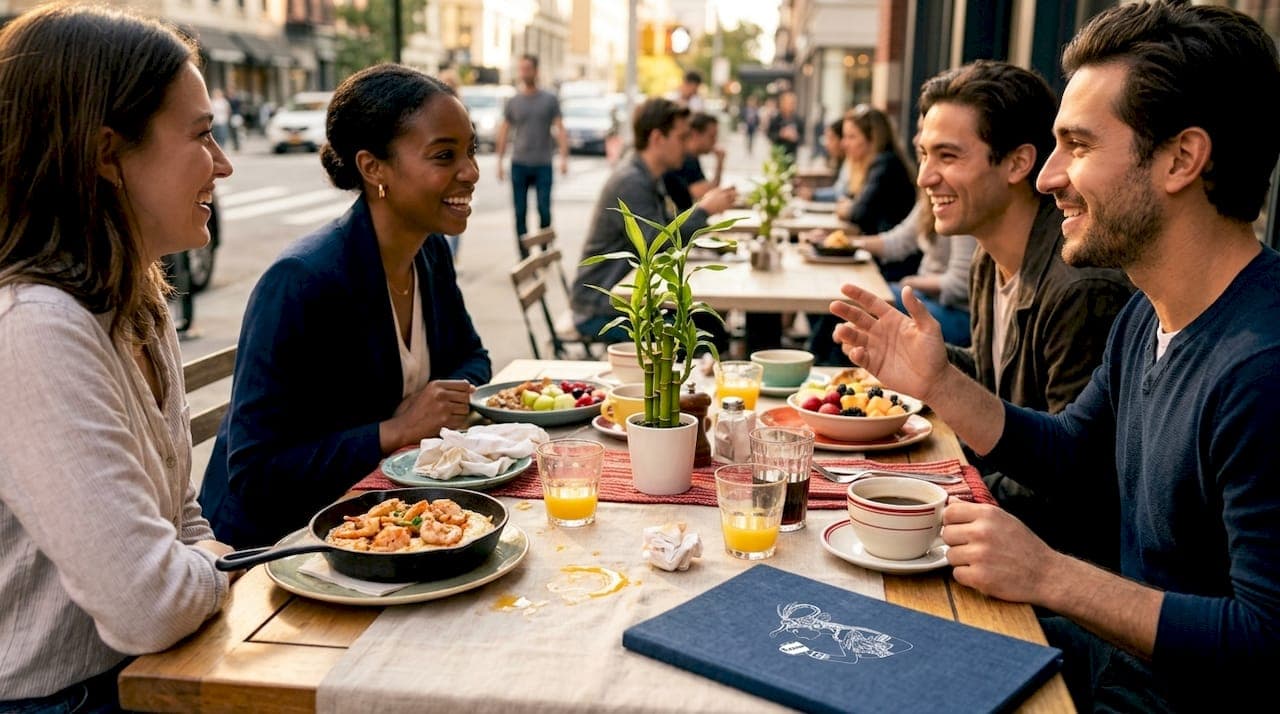
Modern brunch traditions are defined by an unhurried, social dining experience that merges breakfast and lunch foods during a late-morning window, typically between 11 a.m. and 3 p.m. on weekends. The term "brunch" itself dates to 1895, coined by Guy Beringer as a portmanteau blending breakfast and lunch, originally advocating for a leisurely Sunday meal among the British upper class. Long before Beringer named it, Madame Bégué in New Orleans was already practicing it. What are modern brunch traditions, at their core? They are a ceremony of food, community, and cultural identity that has evolved from those early roots into one of the most socially loaded meals of the week.
What are modern brunch traditions, and what makes them distinct?
Modern brunch traditions are not simply a late breakfast. They are a semi-public social ritual built around music, curated décor, photo-ready plating, and an atmosphere that signals leisure over efficiency. The meal functions as a lifestyle statement as much as a dining occasion, attracting everyone from families celebrating milestones to colleagues closing informal deals over eggs Benedict and espresso martinis.
The timing itself carries meaning. Brunch occupies the 11 a.m. to 2 or 3 p.m. window specifically because it allows people to sleep in, arrive without rushing, and linger without guilt. That leisurely 1 to 3 hour meal length is not accidental. It is the structural backbone of the tradition, giving conversations room to breathe and tables room to order another round.
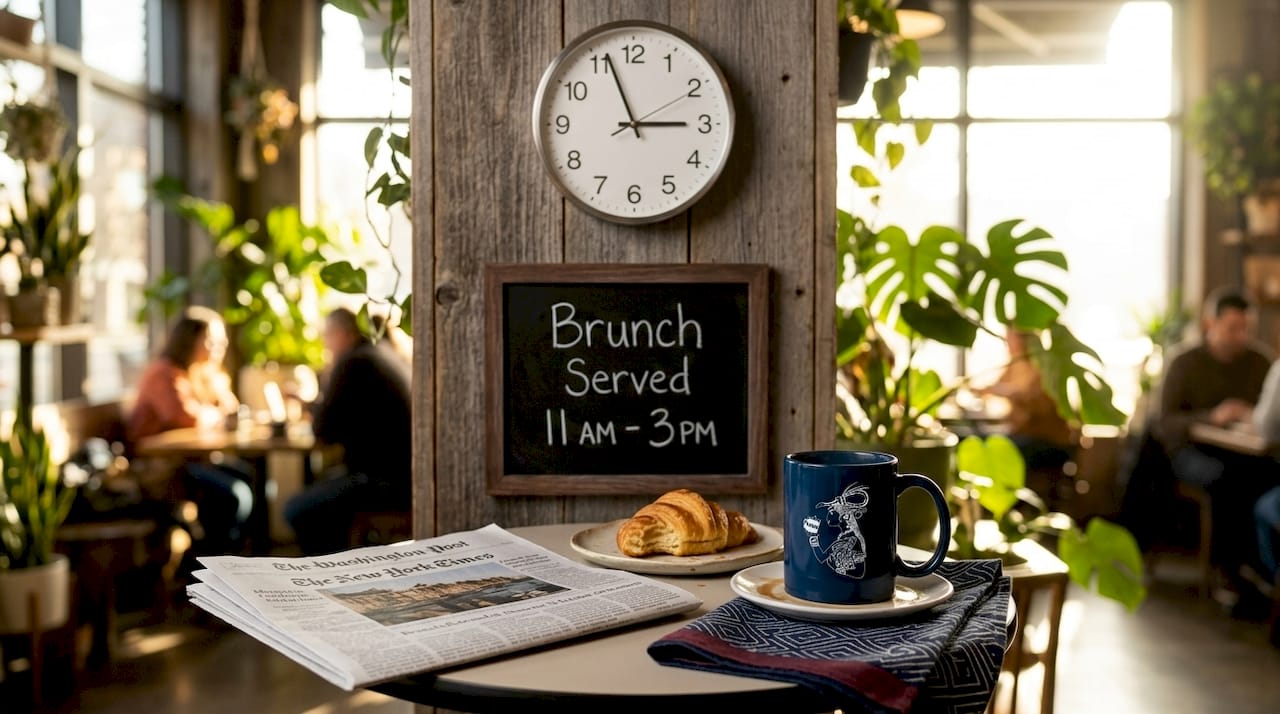
Brunch also serves a community function that lunch and dinner rarely replicate. It shows up at baby showers, birthday celebrations, first dates, and neighborhood gatherings with equal ease. The format is flexible enough to feel casual yet special enough to mark an occasion. That social versatility is why brunch culture today continues to grow in American cities and beyond.
Pro Tip: Book brunch reservations at least a week in advance on holiday weekends. The most sought-after spots fill faster than dinner service because groups tend to be larger and tables turn more slowly.
- Brunch timing: 11 a.m. to 3 p.m., primarily Saturday and Sunday
- Average meal duration: 1 to 3 hours per table
- Common occasions: birthdays, baby showers, dates, business meetings, family gatherings
- Atmosphere markers: live music or curated playlists, natural light, layered table settings, seasonal flowers
What to serve at brunch: menus, beverages, and evolving trends
The brunch menu is defined by hybridity. Sweet and savory dishes share equal billing, and the best menus treat both with the same seriousness. Classic anchors include eggs Benedict, shakshuka, avocado toast, buttermilk pancakes, and fried chicken sandwiches. Regional and global flavor fusions have pushed the format further, with Honduran breakfast plates, Middle Eastern spreads, and Japanese-inspired egg dishes now appearing regularly on urban brunch menus across the Gulf South and beyond.
Beverages are not an afterthought at brunch. They are a defining feature. Mimosas and Bloody Marys remain the most recognized brunch cocktails in the United States, but the category has expanded significantly. Espresso martinis, Aperol spritzes, and Latin American spirit-forward drinks now compete for the same table. Specialty coffee programs, including pour-overs, cortados, and cold brew flights, have become a serious draw for guests who prefer zero-proof options. For inspiration on pairing coffee with brunch cocktails, resources like St. Germain coffee pairings show how the line between coffee bar and cocktail bar has nearly disappeared at modern brunch venues.
The "bottomless brunch" concept deserves its own explanation. It is not unlimited drinking without structure. Bottomless brunch evolved as a controlled 90-minute service window that balances guest experience with operational quality. Restaurants that run it well treat it as a curated beverage program, not a free-for-all. The time limit preserves drink quality, table flow, and staff sanity simultaneously.
| Menu Category | Classic Examples | Modern Additions |
|---|---|---|
| Egg dishes | Eggs Benedict, omelets | Shakshuka, huevos rancheros, Japanese tamago |
| Sweet plates | Pancakes, French toast | Churro waffles, tres leches French toast |
| Savory mains | Fried chicken, BLT | Slow-cooked meats, tropical grain bowls |
| Cocktails | Mimosa, Bloody Mary | Espresso martini, guava spritz, mezcal paloma |
| Coffee drinks | Drip coffee, cappuccino | Cold brew flights, cortado, specialty breakfast blends |
Pro Tip: A balanced brunch menu that pairs at least one zero-proof specialty drink with every cocktail option consistently attracts repeat guests, especially for group occasions where not everyone drinks alcohol.
How did historical origins shape today's brunch culture?
The history of brunch traditions runs directly through New Orleans. Madame Bégué, a Creole cook working in the French Quarter during the late 19th century, served what she called a "second breakfast" to butchers finishing their early morning shifts. Her multi-course meal ran from 11 a.m. to 3 p.m. and combined hearty breakfast foods with substantial meats, seafood, and wine. That combination of timing, abundance, and social ease set a template that modern brunch still follows.
What made Madame Bégué's approach culturally significant was not just the food. It was the alignment of timing with hunger patterns and the creation of a social dining ritual that invited people to linger. Her clientele eventually shifted from working-class butchers to bohemian artists and tourists, which gave brunch its cultural cachet as a meal that transcended class and occasion.
The British influence arrived separately. Guy Beringer's 1895 essay argued that Sunday brunch should replace the heavy post-church breakfast with something lighter, later, and more convivial. His framing of brunch as a relief from obligation rather than a duty resonated with a generation looking for permission to relax. That permission is still baked into the ritual today.
New Orleans continues to honor this legacy more directly than most American cities. The city's brunch culture carries Madame Bégué's DNA in its multi-course formats, its comfort with long tables, and its insistence that the meal should feel like an event. You can read more about this lineage through Alma's culinary press coverage, which traces how Gulf South foodways continue to shape modern brunch practice.
- 1895: Guy Beringer coins "brunch" in a British essay advocating for a leisurely Sunday meal
- Late 1800s: Madame Bégué establishes her "second breakfast" in New Orleans, running 11 a.m. to 3 p.m.
- Early 1900s: Brunch shifts from working-class to bohemian clientele, gaining cultural prestige
- Mid-20th century: Brunch spreads across American cities as a weekend dining institution
- 2000s to present: Bottomless brunch, themed pop-ups, and specialty beverage programs redefine the format
What contemporary innovations are reshaping popular brunch rituals?
Themed brunch pop-ups represent the most exciting frontier in brunch culture today. These events go beyond a restaurant adding a weekend menu. They reconstruct an entire cultural dining experience within a specific time window. The Kanteen Sundays pop-up in Vancouver, for example, is inspired by Mumbai Irani cafés and runs from 10 a.m. to 2 p.m. with authentic dishes and drinks that mirror the original social rhythms of those cafés. The specificity is the point. Authenticity in themed brunch pop-ups comes from matching cultural food references, drink selections, and timing to the original tradition being honored.
Hosting styles have also shifted. Build-your-plate and buffet-style brunch formats have become the preferred approach for group gatherings because they reduce host stress while maximizing variety. Guests can move between sweet, savory, and side options at their own pace, which mirrors the unhurried ethos of brunch itself. For anyone planning a group gathering, a weekend brunch checklist can help structure the menu and flow without overcomplicating the experience.
Technology has quietly become a supporting character in modern brunch. Reservation platforms and digital queue systems allow restaurants to manage peak weekend demand without sacrificing the relaxed pace guests expect. Reservation and queue tech preserves the unhurried feel during the busiest service windows, which is operationally critical when tables average two hours per turn.
- Choose a cultural anchor. Build the menu and atmosphere around a specific food tradition, whether Gulf South, Mesoamerican, Mediterranean, or another regional identity.
- Balance the menu deliberately. Offer at least two sweet options, two savory mains, one shareable side, and two beverage choices including one zero-proof.
- Set a time window and communicate it. Whether you are running a pop-up or hosting at home, a defined start and end time creates the social structure that makes brunch feel like an event.
- Use technology to protect the pace. Online reservations and waitlist apps prevent the chaos that kills the relaxed atmosphere brunch depends on.
- Design for the photo moment. Presentation matters at brunch in a way it does not at dinner. Colorful garnishes, layered plating, and natural light are not vanity. They are part of the brunch social experience.
Why brunch endures as more than just a weekend meal
I have spent years watching brunch evolve, and the thing that strikes me most is how resistant it is to becoming ordinary. Every other meal has been disrupted by delivery apps, fast-casual formats, and shrinking attention spans. Brunch has held its ground because it is the one meal that people actively protect from convenience.
Nobody orders brunch to their door and eats it alone on a Tuesday. The ritual requires presence. It requires showing up, sitting down, and committing to a few hours of unhurried time with people you actually want to be around. That is increasingly rare, and people feel it. The brunch as cultural celebration framing is not marketing language. It reflects something real about why the format has survived for over a century.
What I find most promising about where brunch is heading is the return to cultural specificity. The best brunch experiences I have encountered are not trying to please everyone with a generic eggs-and-pancakes menu. They are rooted in a particular food tradition, a particular place, a particular story. That specificity is what makes a meal memorable rather than merely satisfying.
The sustainability angle is worth watching too. Brunch's reliance on farm eggs, seasonal produce, and locally sourced proteins positions it well for a food culture increasingly focused on where ingredients come from. Restaurants that build their brunch identity around local sourcing and cultural authenticity are not just following a trend. They are building something durable.
— Melissa
Experience modern brunch traditions at Alma Café New Orleans
Alma Café in New Orleans brings together everything that makes modern brunch worth celebrating. The menu draws from Honduran foodways and Gulf South traditions, pairing farm eggs, slow-cooked meats, fresh tortillas, and tropical flavors with handcrafted cocktails and specialty coffee that reflect the same cultural depth.
Whether you are gathering a small group for a weekend ritual or planning a larger celebration, Alma's private dining experience offers a curated brunch setting that honors both history and innovation. Explore the full brunch and dinner menu to see how Mesoamerican tradition and contemporary technique come together in every dish. Eatalmanola is where brunch becomes the kind of memory people talk about on the drive home.
FAQ
What time does modern brunch typically start and end?
Modern brunch runs from approximately 11 a.m. to 2 or 3 p.m., with most venues seating guests through early afternoon. The late-morning start is intentional, allowing guests to sleep in and arrive without rushing.
What is bottomless brunch and how does it work?
Bottomless brunch is a timed beverage format, typically capped at 90 minutes, that offers unlimited drinks alongside a meal. Restaurants use the time limit to maintain drink quality and manage table flow during peak weekend service.
How did brunch originate historically?
The term "brunch" was coined in 1895 by Guy Beringer in Britain, but Madame Bégué in New Orleans had already established a multi-course "second breakfast" running from 11 a.m. to 3 p.m. in the late 19th century, which directly shaped modern brunch culture.
What foods are most commonly served at brunch?
Classic brunch menus center on egg dishes like eggs Benedict and shakshuka, sweet plates like pancakes and French toast, and savory mains like fried chicken sandwiches. Modern menus add global flavor fusions, grain bowls, and culturally specific dishes from Honduran, Middle Eastern, and Asian food traditions.
What makes a themed brunch pop-up different from a regular brunch?
Themed brunch pop-ups reconstruct a specific cultural dining experience, matching authentic dishes, drinks, and timing to the original tradition being honored. The specificity of cultural reference, not just the food, is what separates a themed pop-up from a standard weekend brunch menu.
Key takeaways
Modern brunch traditions endure because they combine cultural identity, social ritual, and hybrid menus into a single unhurried experience that no other meal replicates.
| Point | Details |
|---|---|
| Timing defines the ritual | Brunch runs 11 a.m. to 3 p.m. and lasts 1 to 3 hours, creating space for genuine social connection. |
| History shapes the format | Madame Bégué's New Orleans "second breakfast" and Guy Beringer's 1895 coinage both inform how modern brunch is structured and experienced. |
| Menus are intentionally hybrid | Effective brunch menus balance sweet, savory, and beverage options including zero-proof drinks to serve diverse groups. |
| Cultural specificity drives loyalty | Themed pop-ups and regionally rooted menus outperform generic brunch formats in guest satisfaction and repeat visits. |
| Technology protects the pace | Reservation and queue systems allow restaurants to manage peak demand without disrupting the relaxed atmosphere brunch requires. |