
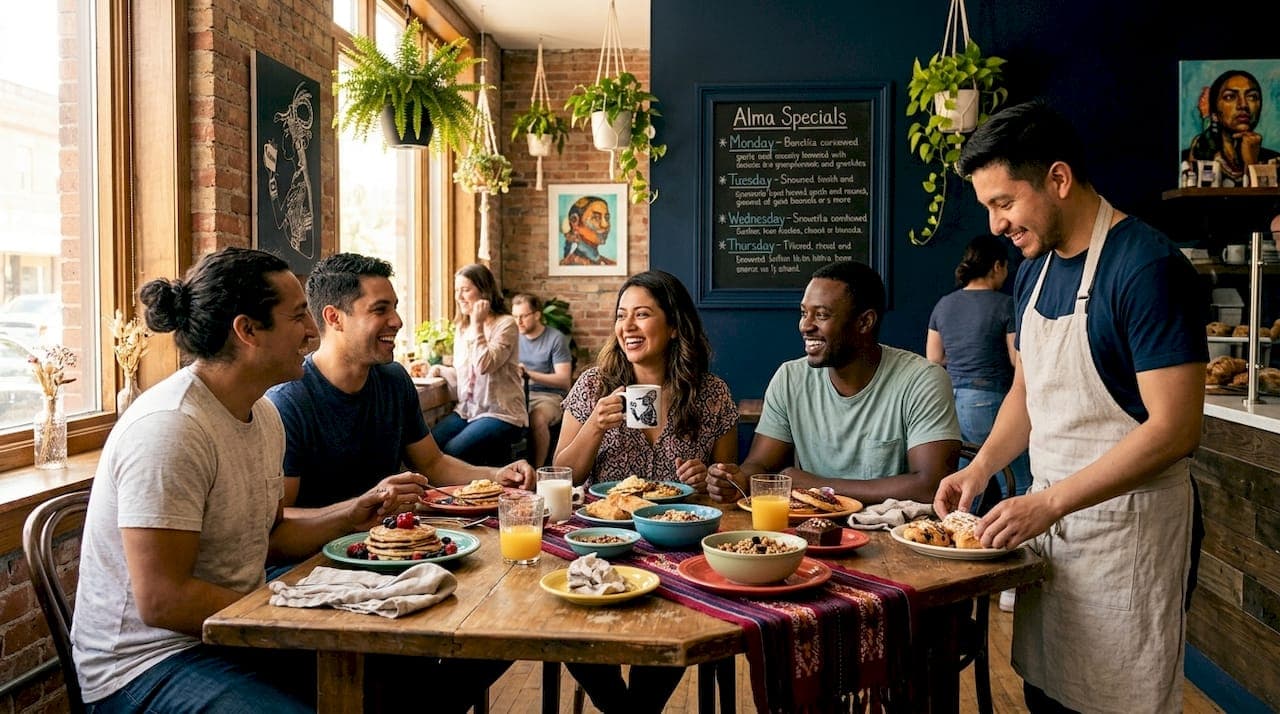
Most people assume brunch is just a late breakfast or an early lunch with a mimosa on the side. That assumption misses almost everything interesting about it. Understanding why brunch service differs from lunch means looking past the menu and into the cultural expectations, kitchen workflows, staffing models, and revenue strategies that make brunch a genuinely distinct dining format. These are not two meals that overlap by accident. They follow different rules, serve different social purposes, and demand completely different things from the restaurants that offer them.
Table of Contents
- Key takeaways
- Why brunch service differs from lunch: timing and cultural context
- How the menus are built differently
- Operational distinctions in service and staffing
- Pricing and revenue differences explained
- Choosing the right meal experience
- My perspective on what truly separates these two meals
- Experience the difference at Alma Café
- FAQ
Key takeaways
| Point | Details |
|---|---|
| Brunch is a social occasion | Unlike lunch, brunch is designed as an experience built around leisure, groups, and extended dwell time. |
| Menu composition is structurally different | Brunch kitchens run two parallel workflows, handling both sweet and savory prep simultaneously. |
| Service pacing is intentionally slower | Brunch accepts lower table turnover in exchange for higher per-guest spending on beverages. |
| Labor costs shape the model | Weekend wage premiums and longer shifts make brunch staffing economics unlike any other meal period. |
| Pricing reflects experience, not just food | Brunch commands higher check averages through elevated drink programs and curated atmosphere. |
Why brunch service differs from lunch: timing and cultural context
The most obvious difference is when each meal happens, but the timing gap tells a bigger story than most diners realize. Lunch occupies a narrow window, typically noon to 2:00 p.m. on weekdays, and it exists primarily to refuel. People eat lunch between obligations. The goal is nutrition and a short break, and restaurants serving lunch design everything around that efficiency.
Brunch is an entirely different social contract. As a distinct dining format, brunch is built to encourage lingering, conversation, and celebration. It is not a meal you squeeze in. It is a meal you plan your Saturday morning around.
Here is how the two meals diverge culturally:
- Occasion vs. routine. Lunch is routine. Brunch is an occasion. People say "let's do brunch" the way they say "let's celebrate." You rarely hear "let's do lunch" with the same anticipation.
- Day and frequency. Lunch runs every day of the week. Brunch is most commonly a weekend or special occasion offering, which concentrates demand into a short window.
- Guest mindset. Lunch diners arrive with a clock in their heads. Brunch guests arrive expecting to stay. That single attitudinal difference reshapes every operational decision a restaurant has to make.
- Social dynamics. Brunch draws groups, celebrations, and milestone moments. Bachelorette parties, birthday gatherings, post-church meetups. Lunch is more likely to be a solo meal or a working conversation.
The cultural weight of brunch means restaurants are not just cooking food. They are producing an atmosphere with a specific emotional register, and the brunch dining experience is expected to feel relaxed, warm, and generous in a way that midday weekday service never needs to be.
How the menus are built differently
The differences between brunch and lunch menus go well beyond adding eggs to a salad. Brunch menus are structurally complex because they serve two different appetite states at once. A guest arriving at 10:30 a.m. wants something sweet and comforting. A guest arriving at 12:30 p.m. wants something substantial and savory. The menu has to satisfy both simultaneously.
Brunch menus blend sweet and savory in a way that lunch simply does not. Think eggs Benedict alongside French toast, avocado toast sharing a menu with a slow-braised short rib hash. That range is deliberate, not indulgent. It reflects the wide window of hunger and the equally wide range of guests.
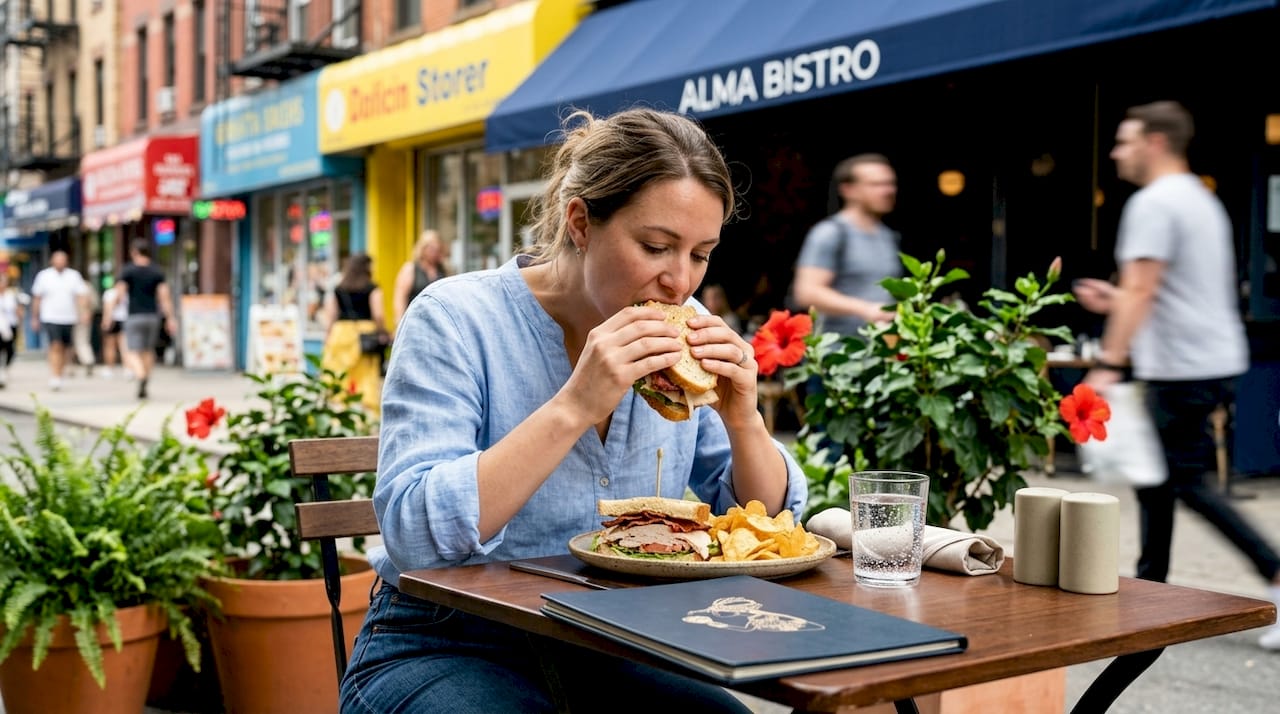
Lunch menus, by contrast, lean consistently savory and substantial. Sandwiches, composed salads, grain bowls, and hot plates dominate because guests want one clear, satisfying thing. The guesswork is removed. Lunch menus are designed to be decided quickly.
Pro Tip: When reading a brunch menu, count how many items could plausibly be served at breakfast and how many could pass for lunch. If both halves are roughly equal, the kitchen is running a true brunch program. If the menu skews entirely sweet, you are eating an extended breakfast with branding.
The kitchen challenge behind those hybrid menus is significant. Running a successful brunch kitchen means operating two mental preparation models at once. The egg station and the pastry rotation need to function in the same service as the sandwich build and the braised protein. Sequencing that preparation in a condensed service window requires discipline that standard lunch service does not demand.
Regional menus add another layer. Gulf South brunch traditions draw on Mesoamerican ingredients, fresh tortillas, tropical fruits, and slow-cooked proteins that express a cultural identity lunch menus rarely take time to develop. That storytelling through food is a defining characteristic of brunch menus done well.
Operational distinctions in service and staffing
If menu complexity is the visible challenge of brunch, staffing and pacing are the invisible ones. The operational structure of brunch service is unlike any other meal period, and this is where many restaurants underestimate the work involved.
- Concentrated service window. Brunch typically runs in a five-hour block, roughly 10:00 a.m. to 3:00 p.m. All revenue, all covers, all kitchen output happen within that window. Lunch often has more flexibility in its end time, and weekday demand spreads more evenly across the afternoon. The brunch window creates intensity.
- Weekend wage premiums. Weekend labor costs run meaningfully higher than weekday rates. When you factor in premium pay, longer shift durations, and the need for full front-of-house and kitchen coverage, the labor cost per hour at brunch is substantially higher than at a Tuesday lunch. Restaurants that ignore this math tend to underprice brunch or overspend on staff.
- Relaxed pacing by design. Brunch service intentionally slows the pace of the meal. Tables are not rushed. Beverage refills are encouraged. This is a structural choice that accepts lower table turnover in exchange for higher per-guest spend.
- Reservation and flow management. Because demand spikes within that five-hour window, reservation management at brunch is more precise than at lunch. Walk-in volume is less predictable, and a poorly managed seating rotation can collapse service quickly.
Pro Tip: If you are planning a brunch outing with a group, book at least a week in advance. The compressed service window means popular restaurants fill brunch reservations faster than dinner. Weekend brunch slots at well-known spots can sell out in 24 hours.
The pacing difference is worth sitting with. Lunch service is built on table turns. A restaurant aiming for two and a half turns at lunch is running a tight, efficient operation. A brunch restaurant expecting the same behavior from its guests will frustrate them and itself. The brunch service characteristics that make the experience feel generous and unhurried are intentional, not accidental.
Pricing and revenue differences explained
The economics of brunch versus lunch reveal a fundamentally different philosophy about how restaurants make money. Lunch is a volume play. More covers, more turns, faster service. The check average matters less when the seats fill reliably throughout the window.
Brunch is an occasion business. Brunch profitability depends heavily on elevated beverage sales and group dining behavior rather than seat turnover. A table of six ordering multiple rounds of cocktails, specialty coffees, and a shared pastry board generates far more revenue per seat than a solo lunch diner ordering a sandwich and water.
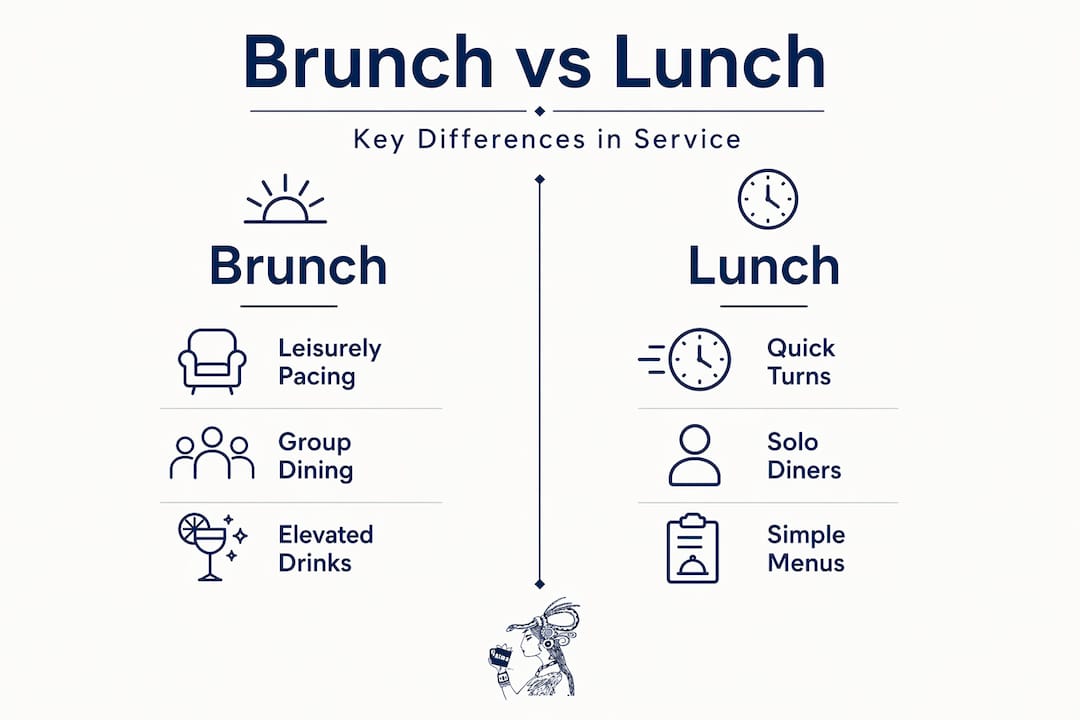
| Factor | Brunch service | Lunch service |
|---|---|---|
| Table turnover | Low (1 to 1.5 turns) | High (2 to 3 turns) |
| Beverage sales | High margin, repeat orders | Modest, often non-alcoholic |
| Check average | Higher per guest | Lower per guest |
| Labor cost | Higher (weekend premiums) | Lower (weekday rates) |
| Revenue driver | Experience and per-guest spend | Volume and efficiency |
The separate pricing seen at brunch versus lunch within the same venue is another telling sign of how differently these meals are structured. Venues like Chops Grille price brunch at roughly $48 per person with additional surcharges, while the same location offers lunch for around $21.99 per person. The food cost difference does not fully explain that gap. The experience, the labor, and the premium beverage program do.
Understanding this reframes how you evaluate brunch pricing. When brunch feels expensive compared to lunch, it is because the revenue model is built around delivering a longer, richer experience rather than a faster, more affordable one. You are paying for the table time, the atmosphere, and the investment the restaurant made to staff a premium weekend service.
Choosing the right meal experience
Knowing these differences makes you a sharper diner and a more appreciative guest. Here is how to apply them:
- Match the occasion to the meal. Celebrating something? Catching up with people you have not seen in months? Brunch is the right format. Need a productive midday conversation or a quick solo meal before an afternoon meeting? Lunch fits the bill.
- Expect different pacing. Walk into brunch expecting to stay at least 90 minutes. If you are pressed for time, you will feel the friction because the service is not designed for urgency. Lunch, particularly on weekdays, moves faster and accommodates tighter schedules.
- Read the menu for clues. A brunch menu done well blends cultural identity with that sweet-savory range. If the menu feels narrow or purely sweet, you may be at a breakfast-forward spot rather than a true brunch program.
- Budget accordingly. Brunch check averages run higher. The cocktails, specialty coffees, and shareable dishes add up quickly, and that is by design. Budget for a fuller experience rather than a quick bite.
- Make reservations. Especially for weekend brunch with groups. The compressed service window means availability disappears fast, and most strong brunch programs require advance booking.
The differences between brunch and lunch are not arbitrary. Every distinction, from menu scope to table pacing to pricing, flows from the different purposes these meals serve and the different guests they are built for.
My perspective on what truly separates these two meals
I have watched a lot of restaurants try to run brunch as if it were just a modified lunch service with eggs added, and it almost never works. The guests feel it before they can name it. The energy is off, the pacing feels rushed, and the menu lacks that sense of abundance that brunch is supposed to deliver.
What I have come to understand is that brunch succeeds when a restaurant commits to the experience as a distinct format rather than a scheduling footnote. The beverages need to be a real program, not an afterthought. The pacing needs to be protected, not apologized for. And the menu needs to reflect two simultaneous culinary identities at once.
The cultural dimension is real too. Brunch carries social weight that lunch simply does not. People come with higher emotional expectations, more complex group dynamics, and a desire to feel celebrated. That is a lot to ask of a kitchen staff running on limited prep time and premium labor costs.
My honest take is that brunch is one of the hardest service formats to execute well, which is exactly why the great ones earn fierce loyalty. When a restaurant gets brunch right, guests do not just return. They bring everyone they know. The worst mistake a venue can make is treating it as an easy weekend revenue grab without understanding what the format actually demands.
— Melissa
Experience the difference at Alma Café
Eatalmanola's Alma Café in New Orleans is one of the clearest illustrations of what happens when a restaurant takes both brunch and lunch seriously as distinct, fully developed formats. The brunch menu at Alma draws from Honduran culinary traditions and Gulf South flavors, offering fresh tortillas, tropical-forward dishes, farm eggs, and handcrafted beverages that make the service feel genuinely celebratory rather than merely convenient. Lunch at Alma shifts into bold, comforting territory designed for lingering conversations or efficient midday gatherings, with its own identity entirely.
For groups looking to mark an occasion with something more personal, Alma's private dining experience brings these brunch and lunch distinctions to life in a reserved, tailored setting. Whether you are hosting a milestone brunch celebration or a curated lunch gathering, Alma builds each service around the cultural storytelling and hospitality that make both meals worth sitting down for.
FAQ
What is the main difference between brunch and lunch service?
Brunch is a social dining experience built around leisure, group dining, and elevated beverage programs, while lunch is designed for efficiency and higher table turnover. The two meals follow different staffing models, pacing strategies, and revenue logic.
Why do brunch menus differ from breakfast menus?
Brunch menus blend sweet and savory dishes simultaneously, catering to guests arriving across a wide appetite range, whereas breakfast menus lean sweet and simple. Brunch kitchens must run two preparation workflows at once, making brunch menus structurally more complex.
Why is brunch more expensive than lunch?
Brunch pricing reflects higher labor costs from weekend wage premiums, elevated beverage programs, and a service model built around longer guest dwell time rather than volume. The experience commands a premium that ingredient costs alone do not explain.
How long does brunch service typically last?
Brunch typically runs in a five-hour window, generally from 10:00 a.m. to 3:00 p.m., compared to the more flexible and often shorter lunch service windows common during weekday operations.
When should I choose brunch over lunch?
Choose brunch when the occasion calls for celebration, a relaxed group gathering, or a longer social meal. Choose lunch when time is limited, the purpose is practical, or the group size is small and the setting is professional.