
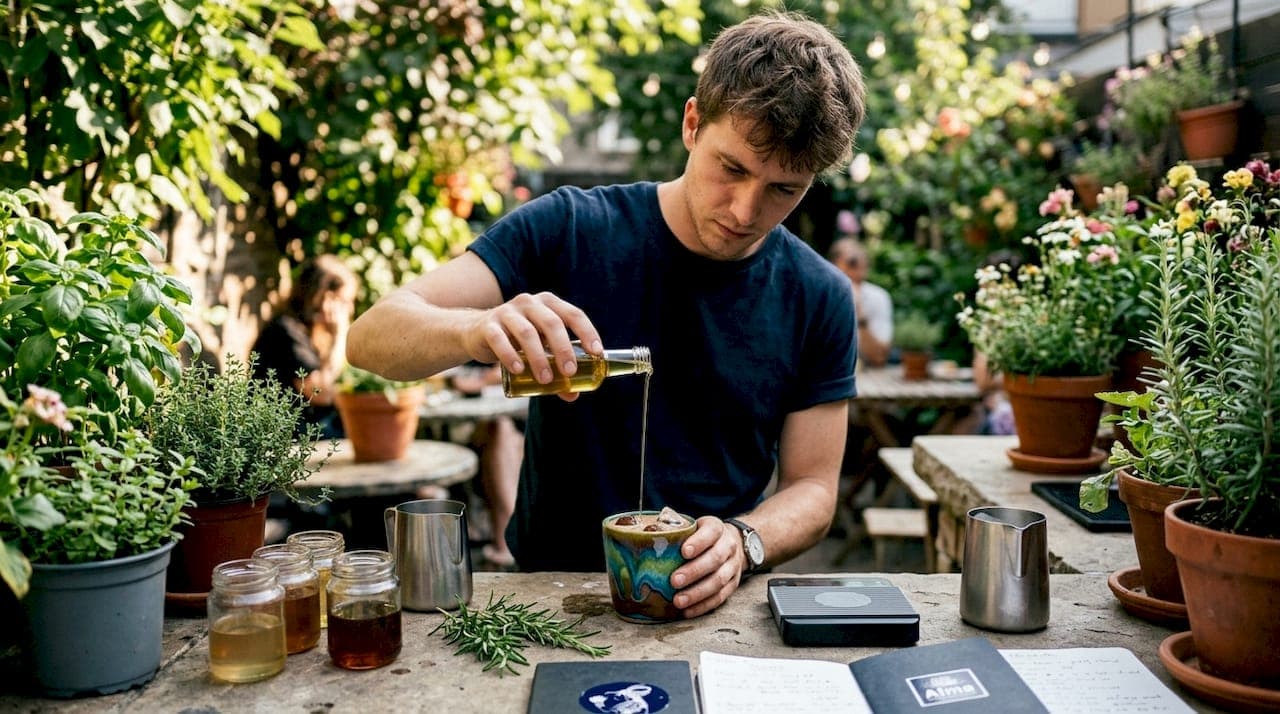
House-made cafe beverages are specialty drinks crafted on-site using fresh, scratch-made syrups, infusions, and bases that transform a standard coffee order into something genuinely memorable. The types of house-made cafe beverages you encounter at a specialty cafe, from honey-lavender lattes to horchata-based cold brews, represent the clearest signal that a cafe is serious about its craft. At Eatalmanola's Alma Café, this philosophy runs through every cup: each drink carries cultural depth, seasonal ingredients, and a preparation process that no commercial syrup bottle can replicate. These drinks typically run $1 to $2 above a standard latte price, and that premium reflects real labor, real ingredients, and a real difference in the glass.
1. What are the main types of house-made cafe beverages?
The core house-made categories found in specialty cafes include signature syrups-based lattes, traditional scratch-crafted bases, custom iced teas and fruit spritzers, and multi-textured cold foam creations. Each category serves a different drinker and a different moment in the day. Together, they form the backbone of what separates an independent specialty cafe from a chain that pulls flavor from a pump bottle.
- Signature syrups lattes: Drinks built around scratch-made flavors like honey-lavender, salted coconut, cardamom, or vanilla bean. These are the most visible house-made category on any specialty menu.
- Traditional bases: Horchata, café de olla, and similar heritage preparations that require understanding of original recipes and cultural context to execute correctly.
- Custom iced teas and spritzers: House-brewed teas infused with blackberry-basil, lavender, or hibiscus, often finished with sparkling water or fruit reductions.
- Cold foam drinks: Iced beverages topped with whipped dairy or dairy-free foam flavored with house-made syrups like ube or salted coconut.
- Blended espresso creations: Frozen or blended drinks that incorporate house-made bases, flavored syrups, and layered textures for a full sensory experience.
Pro Tip: When you walk into a new cafe, ask the barista which syrups are made in-house. That single question tells you more about the cafe's commitment to craft than anything on the menu board.
2. How house-made syrups and infusions enhance cafe beverages
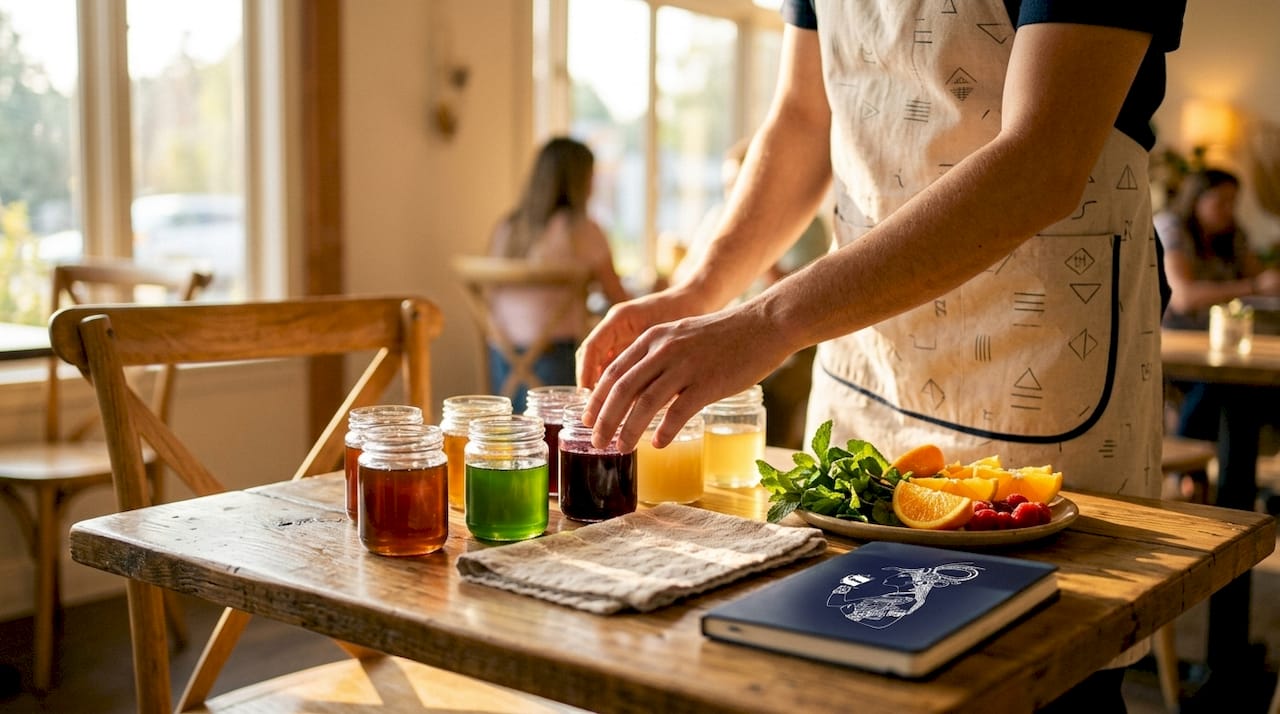
House-made syrups are the engine behind most specialty cafe drinks. A lavender syrup made from dried culinary lavender and cane sugar tastes nothing like a commercial lavender flavoring, and any coffee drinker who has tried both knows the difference immediately. The natural oils, floral notes, and clean sweetness of a scratch-made syrup create a flavor complexity that mass-produced alternatives simply cannot match.
The operational reality is demanding. House-made syrups last only 7 to 14 days when refrigerated, which means cafes must run consistent production cycles and manage storage carefully. That shorter shelf life is the cost of using real ingredients without preservatives. For the cafe, it means more labor. For the customer, it means a fresher, cleaner flavor in every cup.
Common house-made syrup varieties found across specialty menus include:
- Lavender simple syrup: Floral, lightly sweet, pairs well with oat milk lattes and lemonade bases.
- Vanilla bean syrup: Made from whole vanilla pods, far richer than extract-based commercial versions.
- Salted coconut syrup: A tropical, savory-sweet option that works in both hot and iced drinks.
- Cardamom syrup: Warm and spiced, common in Middle Eastern and South Asian-inspired cafe drinks.
- Honey-ginger syrup: Bright and slightly sharp, often used in seasonal iced tea programs.
- Hibiscus reduction: Tart and deeply colored, used in spritzers and non-coffee options.
Pro Tip: Cafes that rotate their syrup menu seasonally, think pumpkin in fall or strawberry-basil in summer, signal a kitchen that treats beverages with the same seriousness as food. Seasonal rotation also keeps regulars coming back to try what's new.
3. What makes cold foams and multi-textured drinks stand out
Cold foam is defined as a whipped, chilled dairy or dairy-free topping that sits on top of an iced beverage rather than melting into it. Cold foams enhance both flavor and mouthfeel, creating a multi-sensory drink experience that standard iced coffee cannot deliver. The foam layer carries its own flavor, often ube, salted coconut, or brown sugar, so each sip pulls from two distinct taste profiles at once.
The visual appeal is real and commercially significant. A cold foam drink photographs well, travels across social media, and draws in customers who might not have ordered otherwise. For cafes, these drinks represent a high-margin upgrade because the foam itself costs relatively little to produce but justifies a meaningful price increase.
Key characteristics of cold foam and textured drinks:
- Flavor independence: The foam carries its own taste profile, separate from the espresso or tea base beneath it.
- Mouthfeel contrast: The thick, creamy foam against cold, thin liquid creates a textural experience that flat iced drinks cannot replicate.
- Visual layering: The distinct foam layer makes these drinks instantly recognizable and highly shareable.
- Dairy-free options: Oat milk and coconut cream foam well, making cold foam drinks accessible to non-dairy drinkers.
- Customization range: Foam flavors can rotate seasonally without changing the base drink, giving cafes flexibility without menu complexity.
Customers often don't realize how accessible cold foam upgrades are until a barista mentions them. At Eatalmanola, the salted coconut cold foam on an iced espresso is exactly the kind of detail that turns a first-time visitor into a regular.
4. How cafes balance traditional classics and house-made innovations
Successful cafes don't abandon the classics to chase creativity. The core six drink strategy used by well-run coffee programs starts with espresso, Americano, latte, one iced drink, one non-coffee option, and one pastry. These six items form roughly 80% of all transactions. House-made specialties layer on top of that foundation, adding brand identity without confusing the customer who just wants a clean flat white.
The storytelling power of heritage drinks like horchata and café de olla is something chain cafes genuinely cannot replicate. A scratch-made horchata base, built from soaked rice, cinnamon, and vanilla, carries cultural weight that a commercial horchata syrup erases entirely. At Eatalmanola, this connection to Honduran and Mesoamerican foodways is not a marketing angle. It is the actual preparation method, and customers taste the difference.
| Customer type | What they want | Best menu approach |
|---|---|---|
| Speed-focused chain customer | Consistency, fast service, familiar flavors | Core six drinks executed perfectly every time |
| Specialty coffee enthusiast | Unique flavors, craft preparation, seasonal variety | Rotating house-made syrups and signature builds |
| Cultural explorer | Heritage drinks, authentic bases, storytelling | Horchata, café de olla, and fusion-inspired creations |
| Casual cafe-goer | Approachable options with a memorable twist | Cold foam upgrades on familiar iced drinks |
The divide between chain and specialty customers is real and growing. Chain customers prioritize convenience and predictability. Specialty customers seek authenticity and flavor variety. A well-designed menu speaks to both without compromising either. The key is keeping the core drinks tight and letting the house-made program do the work of differentiation.
House-made beverages also give independent cafes a genuine competitive tool. Signature fresh-ingredient drinks provide a storytelling element that large chains, built on volume and standardization, structurally cannot match. That authenticity is the independent cafe's most durable advantage. You can learn more about how this plays out in practice by reading about modern cafe dining concepts and the role specialty drinks play in the full dining experience.
For baristas and cafe operators, understanding the full-service cafe bar model helps clarify how house-made beverages fit within a broader program that includes espresso fundamentals, food pairings, and hospitality standards.
Pro Tip: If you want to recreate cafe-quality house-made drinks at home, starting with quality single-origin beans from a source like Moustache Coffee Club gives you a base worth building on before you invest time in scratch-made syrups.
Key takeaways
House-made cafe beverages are the clearest differentiator between a specialty cafe and a chain, built on scratch-made syrups, heritage bases, and textured preparations that commercial operations cannot replicate at scale.
| Point | Details |
|---|---|
| House-made syrups define quality | Scratch-made syrups last 7 to 14 days and deliver flavor complexity that commercial syrups cannot match. |
| Cold foam is a high-margin upgrade | Flavored cold foams add texture, visual appeal, and a price premium with relatively low production cost. |
| Heritage bases build brand identity | Horchata and café de olla connect a cafe's drinks to cultural authenticity that justifies premium pricing. |
| Core six drinks anchor the menu | Roughly 80% of transactions come from six foundational drinks; house-made specials build on top of that base. |
| Storytelling separates independents | Independent cafes use house-made programs to compete with chains on authenticity rather than volume. |
Why house-made drinks are reshaping how I think about cafe culture
I've spent years ordering coffee in places that treat flavor as an afterthought. A pump of vanilla, a splash of caramel, a drink that tastes the same in every city. What shifted my thinking was the first time I ordered a honey-lavender latte where the syrup was made that morning. The floral note was subtle, not perfumed. The sweetness was clean. It tasted like someone had actually thought about it.
What I've come to believe is that the best house-made cafe beverages are not about complexity for its own sake. They are about intention. A café de olla made with true cinnamon and piloncillo is not complicated. It is careful. That distinction matters more than any number of ingredients on a menu board.
The practical advice I give anyone exploring specialty cafes: ask what's made in-house before you order. If the barista can tell you the syrup was made yesterday, or that the horchata base is soaked overnight, you are in the right place. If they look confused by the question, you have your answer. The barista's preparation process is the most honest signal of a cafe's actual commitment to craft.
I also think the industry conversation about house-made drinks sometimes overcomplicates what is fundamentally a hospitality question. Are you giving the customer something they could not get anywhere else? At Eatalmanola, the answer is yes, and it shows in every cup.
— Melissa
Discover Alma Café's house-made beverage program
Eatalmanola's Alma Café brings the same depth of craft found in its kitchen directly into the coffee bar. Every syrup is made on-site, every cold foam is flavored with ingredients rooted in Latin American and Gulf South tradition, and every drink is built to reflect the cultural identity of the space. Whether you are a committed coffee enthusiast or someone who simply wants a drink worth remembering, the house-made beverage program at Alma Café delivers something genuinely different. Explore the full Alma Café experience and discover what it means when a cafe treats every cup as an expression of hospitality and heritage.
FAQ
What are house-made cafe beverages?
House-made cafe beverages are specialty drinks crafted on-site using scratch-made syrups, infusions, and bases rather than commercial flavoring products. They are defined by fresh, natural ingredients and preparation methods specific to each cafe.
Why do house-made drinks cost more than standard cafe beverages?
Specialty house-made items are typically priced $1 to $2 above a standard latte to reflect the increased labor and ingredient costs involved in scratch production. The price difference reflects real preparation time and higher-quality inputs.
How long do house-made syrups last?
House-made syrups have a refrigerated shelf life of 7 to 14 days, which is significantly shorter than commercial syrups preserved with stabilizers. This short window is why cafes with strong house-made programs produce syrups in small, frequent batches.
What is a cold foam and how is it made?
Cold foam is a chilled, whipped dairy or dairy-free topping applied to iced beverages. It is made by frothing cold milk or a cream alternative, often with a house-made syrup like ube or salted coconut blended in, until it reaches a thick, pourable consistency.
How can I tell if a cafe's beverages are truly house-made?
Ask the barista directly which syrups or bases are made on-site and how recently they were prepared. A cafe with a genuine house-made program will answer immediately and specifically. Vague or uncertain answers typically indicate commercial flavoring products are in use.