
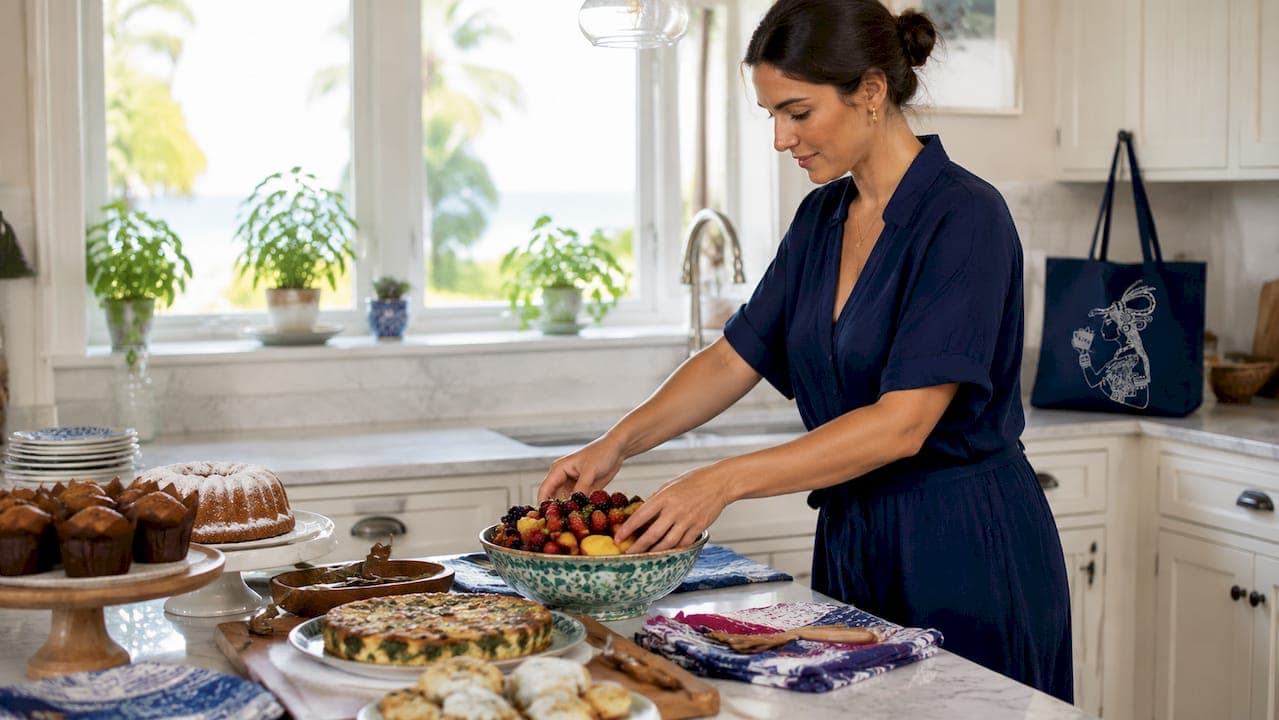
Brunch gathering best practices are defined as the combined set of food safety protocols, guest management strategies, and preparation systems that produce a relaxed, memorable social event. The best hosts treat brunch not as a scaled-down lunch but as its own format, one with specific timing windows, service logic, and safety requirements. USDA 2026 guidance updated the standards for egg-based dishes served buffet-style, making food safety a non-negotiable part of any modern hosting plan. Get the fundamentals right and brunch becomes one of the most rewarding ways to entertain.
1. Brunch gathering best practices start with the right guest count
The ideal brunch guest count sits between 6 and 10 people. That range keeps conversation flowing naturally without requiring you to manage multiple competing social circles at once. Fewer than six guests can feel sparse; more than twelve starts to feel like a party that needs a coordinator, not a host.
The time window matters just as much as the headcount. Scheduling your gathering between 10:00 a.m. and 1:00 p.m. preserves the relaxed, unhurried quality that separates brunch from both breakfast and lunch. Starting before 10:00 a.m. rushes guests who are not morning people; pushing past 1:00 p.m. blurs into lunch territory and disrupts afternoon plans.
- Keep your guest list to 6 to 10 people for the best social energy
- Schedule the start time between 10:00 a.m. and 11:00 a.m. for maximum attendance
- Send invitations 2 to 3 weeks in advance so guests can plan their morning
- Use a simple RSVP tool like Google Forms or a group text to confirm numbers early
Pro Tip: Set a firm RSVP deadline 5 days before the event. Confirmed numbers let you shop accurately and avoid both food waste and shortage.
2. How to plan a crowd-pleasing, safe brunch menu
A well-built brunch menu balances one savory egg-based main, two or three supporting sides, a baked good, fresh fruit, and at least one non-alcoholic drink option. That structure covers every guest's appetite without overwhelming your prep schedule. The key is choosing dishes that can be made ahead or cooked in batches rather than assembled to order.
Food safety is not optional. Egg dishes must reach an internal temperature of 160°F, confirmed with a food thermometer, before serving. That single step eliminates the most common source of foodborne illness at home brunches.
Perishable foods left in the temperature Danger Zone between 40°F and 140°F for more than two hours become unsafe to serve. That two-hour rule shapes every decision about when to put food out and when to store leftovers.
Sheet-pan shakshuka is one of the smartest choices for a crowd. This method cooks multiple egg portions simultaneously in 5 to 15 minutes, produces a visually striking dish, and requires no stove-side monitoring. It frees you to greet guests instead of standing over a burner.
A practical brunch menu structure looks like this:
- Savory main: Sheet-pan shakshuka, a breakfast casserole, or a frittata baked the morning of
- Warm side: Roasted potatoes, grilled asparagus, or sautéed mushrooms
- Room temperature side: Fresh fruit salad, a cheese board, or sliced avocado
- Baked good: Banana bread, muffins, or croissants made the day before
- Drinks: Fresh-squeezed juice, sparkling water, and a self-serve coffee station
Pro Tip: Ask guests about dietary restrictions in your initial invitation, then follow up 2 to 3 days before the event. Early dietary queries eliminate last-minute substitutions and keep your shopping list accurate.
Mixing hot, warm, and room temperature dishes is one of the most underused tactics in home hosting. A temperature-varied menu removes the pressure of keeping every dish piping hot throughout service, which is nearly impossible without professional equipment. Room temperature items like fruit, cheese, and bread hold safely for the full two-hour service window without any intervention from you.
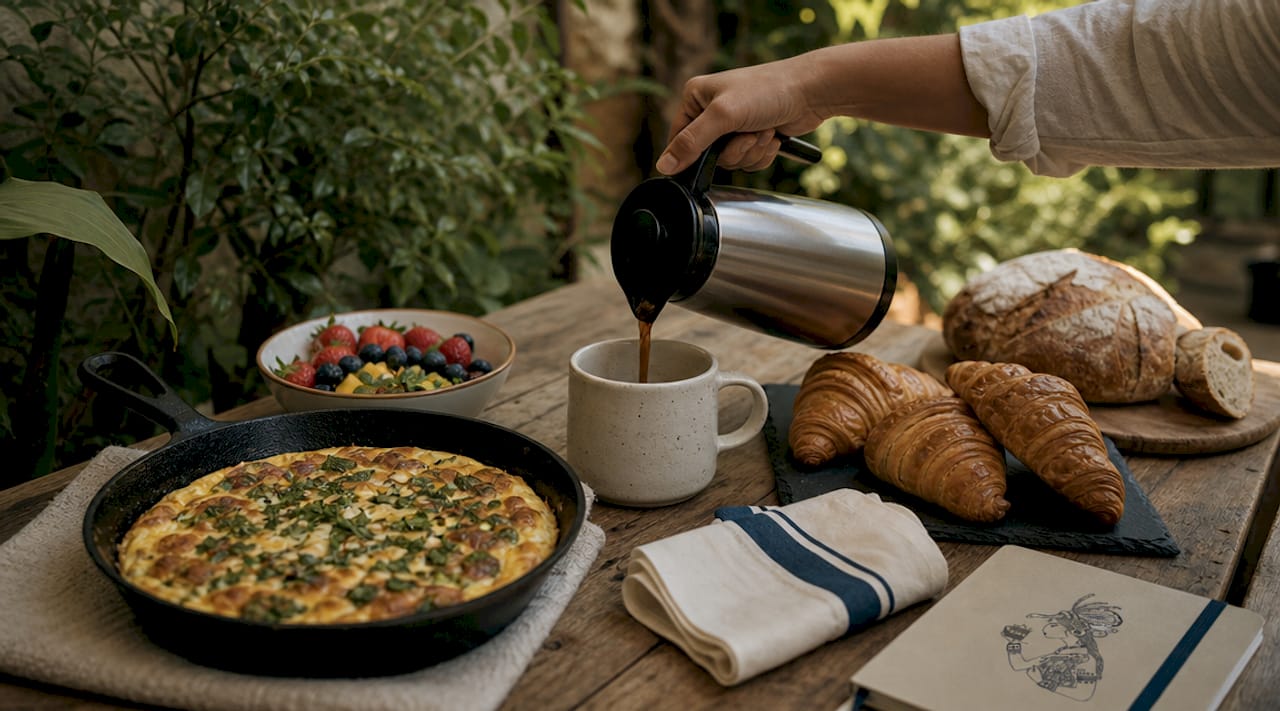
For guidance on sourcing quality eggs for your main dish, the farm eggs brunch guide from Eatalmanola covers everything from freshness indicators to safe cooking temperatures.
3. Service styles and layout tips that keep guests moving
Buffet-style service works best for groups of eight or more because it eliminates the bottleneck of plated service and lets guests return for seconds at their own pace. For smaller groups of six or seven, a family-style setup with shared platters on the table creates a warmer, more intimate feel.
The single biggest layout mistake hosts make is placing the drink station next to the food line. When guests stop to pour coffee or juice, they block the entire buffet. A separate drink station on a side table or kitchen counter solves this completely.
| Service style | Best for | Key advantage |
|---|---|---|
| Buffet | 8+ guests | Eliminates bottlenecks, guests self-serve |
| Family-style | 6 to 8 guests | Warmer atmosphere, easier cleanup |
| Plated | 4 to 6 guests | Most elegant, requires most host attention |
Sequencing your buffet from lighter to heavier items helps guests pace themselves naturally. Start with fruit and bread at the entry point of the line, move to warm sides, and place the egg-based main at the end. Dessert items belong on a separate small table entirely. This buffet sequencing approach prevents guests from loading up on bread before they reach the main dish.
Keep centerpieces low. Tall floral arrangements block sightlines across the table and kill conversation. A low arrangement of herbs, citrus slices, or small candles keeps the table visually interesting without creating a visual wall between guests.
Pro Tip: Set the table completely the night before, including napkins, glassware, and serving utensils. This single habit cuts morning stress significantly and lets you focus on food the morning of the event.
For more on managing guest flow and buffet logistics, the Eatalmanola guide on brunch celebration menus covers service formats in detail.
4. How to prep and execute so you actually enjoy your own brunch
The night before your gathering, complete every task that does not require heat. Wash and chop produce, mix dry ingredients for baked goods, set the table, fill water pitchers, and lay out serving utensils. This prep window is where stress-free hosting is actually built.
Write a cooking timeline that works backward from your start time. If guests arrive at 11:00 a.m., your egg main should finish at 10:50 a.m. Baked goods come out of the oven by 10:30 a.m. Coffee starts brewing at 10:45 a.m. A written timeline removes all guesswork on the morning of the event.
- Two weeks before: Send invitations with dietary restriction questions included
- One week before: Finalize your menu and write a complete shopping list
- Two days before: Shop for all non-perishable and shelf-stable items
- The night before: Prep ingredients, set the table, and make any baked goods
- Morning of: Follow your cooking timeline, start coffee 15 minutes before guests arrive
- During service: Put food out no more than 30 minutes before guests sit down
- After service: Refrigerate or discard all perishables within two hours of serving
Avoid any dish that requires you to stand at the stove during the gathering. Made-to-order omelets or crepes sound impressive but they chain you to the kitchen while your guests socialize without you. Limiting made-to-order dishes is one of the most direct ways to improve your presence as a host.
Set up a self-serve coffee and drink station before guests arrive. Stock it with cups, a French press or drip machine, cream, sugar, and a few flavored syrups. Guests who want a refill can get one without interrupting your conversation. For a specialty coffee option that pairs well with a brunch spread, the Breakfast Blend from Last Chapter Coffee is a crowd-friendly roast that works well in both drip and pour-over formats.
Pro Tip: Reheat leftovers to 165°F before serving to any guests who arrive late. Discard anything that has been sitting out for more than two hours, regardless of how it looks or smells.
5. Themed brunch gatherings and decor ideas that add personality
A theme gives guests a reason to look forward to the event beyond the food. It does not need to be elaborate. A color palette, a cuisine focus, or a seasonal ingredient can anchor the entire visual and menu experience without requiring a party planner.
Some of the most successful themed brunch gatherings use a single ingredient or region as the organizing idea. A Gulf South brunch built around tropical fruits, fresh tortillas, and Latin American cocktails creates a cohesive experience that feels intentional rather than assembled. Eatalmanola's guide on Latin-inspired brunch cocktails offers specific drink ideas that complement this kind of menu.
Decor for brunch works best when it doubles as food. A citrus centerpiece made from halved grapefruits and limes costs less than a flower arrangement and smells better. A bread basket lined with a linen napkin serves as both decor and a functional serving piece. The goal is a table that looks considered without requiring hours of setup.
Seasonal themes also solve the menu planning problem. A spring brunch leans on asparagus, strawberries, and light egg dishes. A fall version centers on roasted root vegetables, apple cider, and spiced baked goods. Letting the season guide your menu reduces decision fatigue and keeps your shopping list focused.
Key takeaways
Successful brunch hosting requires food safety compliance, smart guest count management, and night-before preparation to keep the host present and the event enjoyable.
| Point | Details |
|---|---|
| Guest count and timing | Keep gatherings to 6 to 10 guests and schedule between 10:00 a.m. and 1:00 p.m. for the best social energy. |
| Food safety is non-negotiable | Cook egg dishes to 160°F and remove all perishables from service after two hours. |
| Buffet layout matters | Separate drink stations from food lines and sequence items from light to heavy to prevent congestion. |
| Prep the night before | Setting the table and prepping ingredients the evening before cuts morning stress and improves host presence. |
| Mix dish temperatures | Combining hot, warm, and room temperature dishes removes the pressure of maintaining every item at serving temperature. |
What I've learned from hosting brunch the hard way
The first brunch I hosted for ten people, I made four dishes that all required the stove at the same time. I spent the entire gathering in the kitchen. My guests had a fine time. I had a stressful one.
The shift that changed everything was accepting that the host's experience is part of the event. When you are relaxed, your energy shapes the room. Guests pick up on tension the same way they pick up on warmth. A host who is visibly stressed makes guests feel like a burden, even when the food is excellent.
My honest advice: build your menu around what you can finish before the first guest walks in. Sheet-pan shakshuka, a fruit salad assembled the night before, and a loaf of banana bread made two days ahead will outperform a made-to-order omelet station every time, because you will actually be at the table eating with your guests.
The other thing most hosting guides skip is intentional guest list curation. Mixing people who do not know each other well can either create wonderful new connections or produce awkward silence. I now think carefully about whether my guests have at least one natural point of connection before I finalize the list. That one decision shapes the entire atmosphere more than any centerpiece or cocktail.
Keep it simple, prep it early, and show up as a guest at your own table. That is the whole formula.
— Melissa
Host your next brunch at Alma Café
Planning a brunch gathering for a larger group, a special occasion, or a moment you want to remember without the cleanup? Eatalmanola's private dining experience at Alma Café offers customizable brunch menus built around modern Honduran cuisine and Gulf South hospitality.
From farm eggs and fresh tortillas to handcrafted Latin American cocktails and specialty coffee, every detail is handled by a team that treats hospitality as a craft. You choose the menu, the guest count, and the occasion. Alma Café handles everything else. Book your private brunch and arrive as a guest at your own celebration.
FAQ
What is the ideal guest count for a home brunch?
The ideal brunch guest count is 6 to 10 people. This range keeps conversation natural and manageable without requiring professional-level logistics.
What internal temperature should egg dishes reach at brunch?
Egg-based dishes must reach an internal temperature of 160°F, confirmed with a food thermometer. This is the USDA's 2026 standard for preventing foodborne illness at buffet-style service.
How long can brunch food safely sit out?
Perishable foods should not sit in the temperature Danger Zone between 40°F and 140°F for more than two hours. After that window, refrigerate or discard them.
What is the best brunch service style for large groups?
Buffet service works best for groups of eight or more. Separating the drink station from the food line prevents congestion and keeps the event moving smoothly.
How do I reduce stress when hosting brunch at home?
Set the table and prep all ingredients the night before, write a cooking timeline that works backward from your start time, and avoid any dish that requires stove attention during the gathering. Batch-cooked dishes like sheet-pan shakshuka or breakfast casseroles are the most practical choice for stress-free hosting.