

Most brunch lovers assume an egg is just an egg. It is not. The role of farm eggs on a breakfast menu goes far beyond ingredient preference — it shapes flavor, nutrition, and the entire guest experience from the first bite. Farm eggs come from hens that forage on open pasture, eating grasses, insects, and seeds that transform what ends up on your plate. The difference shows in the yolk color, the texture, and the nutrient profile in ways that conventional eggs simply cannot match. This guide walks through why farm eggs matter, how they are used across the best breakfast dishes, and what thoughtful menu design around them looks like.
Table of Contents
- The role of farm eggs on a breakfast menu: nutrition that changes everything
- Incorporating farm eggs into diverse breakfast menus
- Farm eggs versus conventional eggs: taste, nutrition, and menu impact
- Designing breakfast menus to showcase farm eggs and seasonal ingredients
- Why farm eggs are the future of brunch menus
- Discover farm egg-inspired dishes at Alma Café
- Frequently asked questions
Key Takeaways
| Point | Details |
|---|---|
| Farm eggs nutrition | Farm eggs offer higher omega-3s and antioxidants than conventional eggs, making them a healthier breakfast choice. |
| Menu versatility | Farm eggs can be used in diverse dishes from omelets to baked muffins, enhancing brunch variety and appeal. |
| Flavor and freshness | Their freshness yields richer taste and vibrant yolks that improve the quality of breakfast dishes. |
| Sustainability and sourcing | Seasonal, local sourcing of farm eggs aligns menus with sustainability and customer values. |
| Brunch trend impact | Farm eggs are redefining brunch culture by combining nutrition, flavor, and culinary creativity. |
The role of farm eggs on a breakfast menu: nutrition that changes everything
Before you can appreciate what farm eggs do for a brunch menu, you need to understand what makes them biologically different from the eggs most people grew up eating. The gap is wider than most expect.
Pasture-raised eggs contain twice the vitamin E and omega-3 fatty acids compared to conventional eggs. These are not minor variations. Vitamin E is a fat-soluble antioxidant tied to immune function and skin health. Omega-3 fatty acids support cardiovascular and brain health in measurable ways. When a kitchen sources pasture-raised eggs, those benefits transfer directly to guests.
The omega ratio matters just as much as the total count. Farm-fresh pasture-raised eggs have half the omega-6 fatty acids and higher antioxidant levels, supporting heart, brain, and immune health. Most Americans already eat too many omega-6s relative to omega-3s, so an egg that tips the balance back is genuinely valuable, not just marketing language.
Here is a snapshot of how farm eggs stack up nutritionally:
| Nutrient | Pasture-raised eggs | Conventional eggs |
|---|---|---|
| Omega-3 fatty acids | Significantly higher | Lower |
| Vitamin E | Up to 2x higher | Baseline |
| Lutein and zeaxanthin | Higher | Moderate |
| Beta-carotene | Higher | Low |
| Omega-6 to omega-3 ratio | More balanced | Less balanced |
The deeper orange yolk you see in a farm egg is not cosmetic. It signals beta-carotene from foraging. Hens eating natural diets produce eggs with more lutein and zeaxanthin too, both of which are linked to eye health and immune defense.
Key nutritional benefits of farm eggs at a glance:
- Higher omega-3 content for brain and heart support
- Double the vitamin E for antioxidant protection
- More lutein and zeaxanthin for eye health
- Balanced omega-6 to omega-3 ratio
- Rich, deep yolk color indicating nutrient density
- Roughly 6 grams of high-quality complete protein per egg
"What you feed the hen is what you feed yourself. Pasture access is the single biggest variable in egg nutrition, and it shows up clearly in lab results." This reflects what dietitians consistently emphasize when evaluating egg quality.
Pro Tip: When reviewing egg sourcing for a brunch menu, look for "pasture-raised" specifically rather than just "free-range." Free-range hens may have minimal outdoor access. Pasture-raised is the standard that delivers the nutritional differences described above.
These numbers matter for modern brunch social dining because guests are more informed than ever. A menu that sources visibly superior eggs signals to health-conscious diners that quality is taken seriously at every level.
Incorporating farm eggs into diverse breakfast menus
Farm eggs are not one-trick ingredients. Their superior protein content, fresher flavor, and sturdier whites make them better performers across nearly every cooking technique used in breakfast service.
Farm-fresh eggs form the cornerstone of omelets with customizable fillings like seasonal vegetables and smoked salmon, with various preparations including scrambled, fried, poached, and fluffy omelets. That flexibility is exactly what makes them ideal for a rotating brunch menu. One farm egg can become a silky French omelet on Monday and a shakshuka base on Saturday. The egg adapts. Cheaper conventional eggs often produce watery whites and pale yolks that betray a dish's ambition.
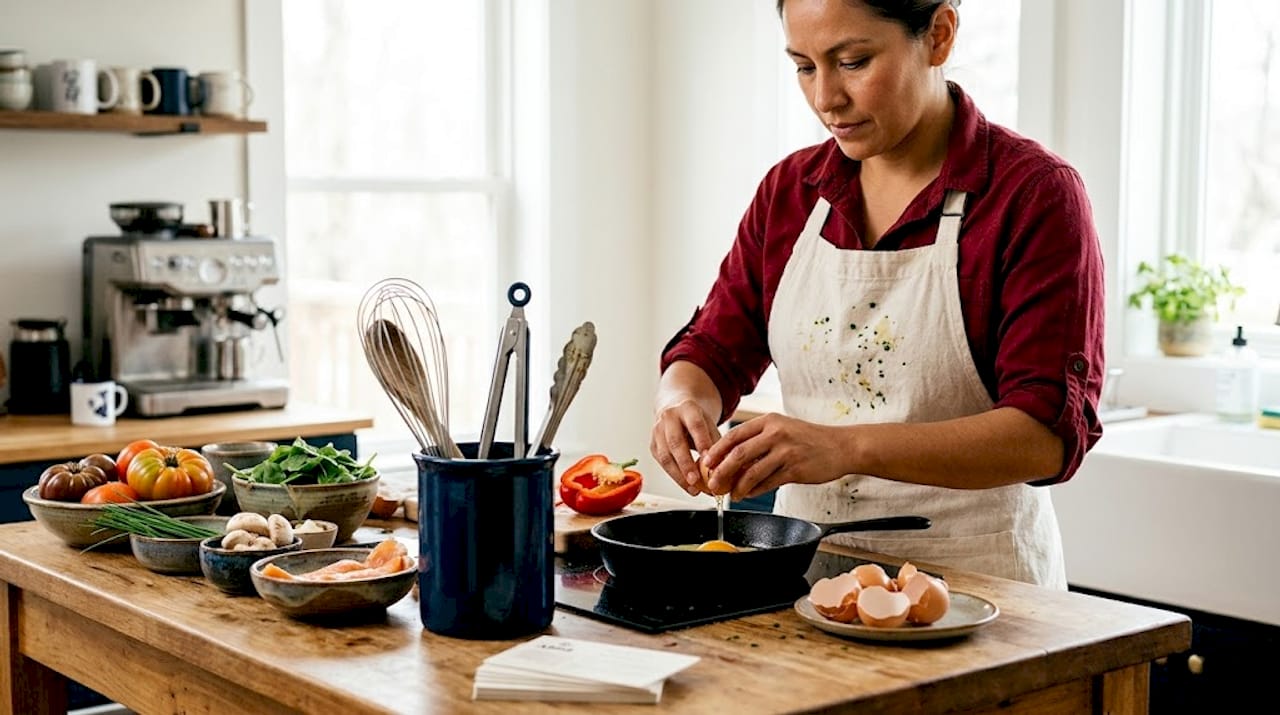
Farmhouse eggs provide 6.3 grams of high-quality protein each, making them ideal for breakfast tacos, frittatas, or baked muffins requiring 15 to 30 minutes of prep. That protein level sustains energy for hours, which matters to brunch guests planning a full day after their meal.
Popular farm egg breakfast dishes worth featuring:
- Fluffy omelets with rotating seasonal fillings
- Poached egg plates with grain bowls or roasted vegetables
- Breakfast tacos with farm eggs, peppers, and fresh salsa
- Frittatas baked with local produce and artisanal cheese
- Shakshuka with spiced tomato base and farm egg yolks
- Baked egg muffins with herbs and smoked meats
- Huevos rancheros with house tortillas and salsa verde
The importance of eggs in breakfast goes beyond tradition. They are the anchor of most morning menus because they are fast, versatile, affordable in bulk, and satisfying. Farm eggs simply perform that same role at a higher level.
Getting from ingredient to plate efficiently:
- Scrambled or fried: Under five minutes, ideal for high-volume service
- Poached: Eight to ten minutes, produces the most dramatic presentation
- Fluffy omelets: Ten to twelve minutes, allows for ingredient customization
- Frittatas: Twenty to twenty-five minutes, ideal for batch preparation
- Baked egg dishes: Thirty minutes, suited for special brunch set menus
When you explore farm egg breakfast preparations across cultures, you find the same principle repeated. From Honduran huevos con chile to Southern shrimp and grits with a poached egg on top, the fresh egg elevates every dish it touches. Pairing them with freshly baked pastries and breakfast items rounds out a menu that feels both nourishing and celebratory.
Farm eggs versus conventional eggs: taste, nutrition, and menu impact
Side by side, farm eggs and conventional eggs look like different products. Because they are.
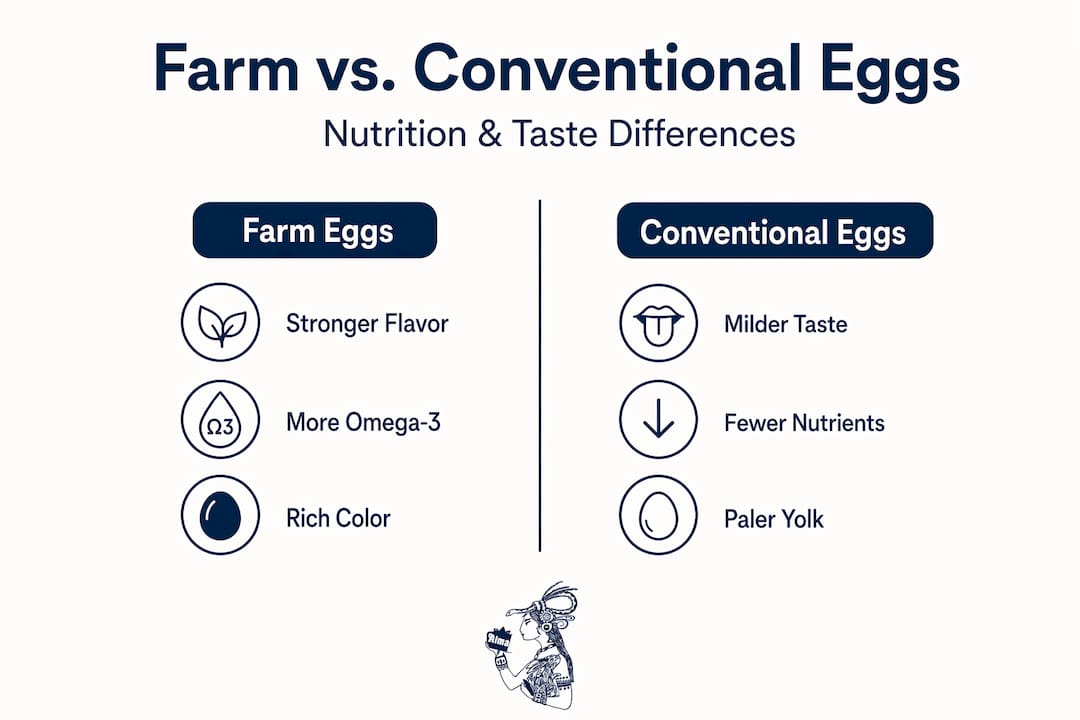
Pasture-raised eggs provide a more nutritious fat profile and better nutrient balance compared to caged or free-range eggs. Conventional eggs come from hens in confined housing, eating grain-based diets without outdoor access. The result is a nutritionally flatter egg with a paler yolk and a thinner white. Functional? Yes. Exceptional? No.
Pasture-raised hens require substantially more space and forage, leading to nutrient-dense eggs with superior flavor and color. That increased cost of production does translate to higher wholesale prices for kitchens, which is a real consideration for menu pricing. But the value exchange is visible and communicable to guests who care about quality.
| Feature | Farm (pasture-raised) eggs | Conventional eggs |
|---|---|---|
| Hen environment | Open pasture, free foraging | Caged or confined housing |
| Yolk color | Deep orange | Pale yellow |
| Omega-3 content | High | Low |
| Taste | Richer, fuller | Mild, flat |
| Texture of white | Firm, thick | Thin, watery |
| Price point | Higher | Lower |
| Menu positioning | Premium, story-driven | Standard |
Why the flavor difference is not subtle:
- Deep yolk color produces more visually striking plates
- Richer fat content creates a creamier mouthfeel in scrambled dishes
- Firmer whites hold shape better when poached or fried
- More complex flavor reduces the need for heavy seasoning
Pro Tip: Use the yolk color as a communication tool with guests. When a server describes "a deep orange yolk from our local farm partner," it creates a moment of connection between the kitchen, the farm, and the diner. That story adds genuine perceived value without changing the price of the dish.
The best farm egg breakfast dishes you will find at local brunch spots are almost always anchored by visible sourcing. A menu that notes the farm name, the breed of hen, or the foraging practice tells guests that what is on the plate has been considered carefully. That transparency is becoming a baseline expectation in the modern brunch experience rather than a luxury.
Designing breakfast menus to showcase farm eggs and seasonal ingredients
Sourcing great farm eggs is only the first step. The menu design around them determines whether guests notice the difference.
Shelburne Farms sources 75% local ingredients including farm eggs, pairing them with garden vegetables and farmstead cheddar in seasonal brunch menus. The result is a brunch guests talk about long after they leave. That level of intentionality is achievable at any scale when the sourcing decisions are made thoughtfully.
Farm-to-table brunch concepts highlight eggs with fresh vegetables and artisanal cheeses to maximize both nutrition and flavor. The pairing logic is straightforward. Farm eggs have enough natural richness that they need only clean, high-quality accompaniments. Overcomplicated sauces or heavy toppings can actually work against them.
Steps to build a farm egg-centered breakfast menu:
- Establish a relationship with one or two local farms for consistent egg supply and seasonal produce
- Build core dishes around the egg's cooking method, then layer in seasonal ingredients as variables
- Write menu descriptions that mention the farm name or sourcing practice directly
- Rotate accompaniments seasonally — spring asparagus, summer tomatoes, fall squash, winter root vegetables
- Train staff to speak about egg sourcing naturally when guests ask about the menu
- Pair egg dishes with complementary beverages like a well-sourced Breakfast Blend coffee that mirrors the care put into the food
Pro Tip: Seasonal menu rotation does not require entirely new dishes. Changing the filling of a frittata from roasted peppers in summer to braised greens in winter keeps the menu fresh without rebuilding it from scratch. The farm egg stays constant. The season speaks through what surrounds it.
The culinary storytelling that happens on a menu page is part of the dining experience. Guests who read "farm eggs sourced from a local pasture-raised farm" before ordering are already eating with more appreciation than those who simply see "eggs." That context shapes perception of taste itself. Explore the culinary stories behind the dishes that bring this philosophy to life.
Why farm eggs are the future of brunch menus
Here is the honest take: most brunch menus treat the egg as a commodity. It is the cheapest protein option, ordered in bulk, stored in a walk-in, and cracked without ceremony. That approach produces forgettable food.
The shift toward farm eggs is not a trend. It is a correction. Kristen Carli, MS, RD, highlights pasture-raised eggs as the healthiest option specifically because the hen's natural diet and living conditions produce a fundamentally better product. That is not a preference. That is the science.
What we believe at Alma Café is that brunch deserves the same rigor as dinner. When a chef sources heritage pork for a dinner entrée, they are making a statement about quality. Sourcing pasture-raised farm eggs for a breakfast menu is the same statement. The ingredient deserves that respect. And the guest deserves to taste the difference.
Chef Josh Feathers recommends poaching farm eggs specifically to emphasize freshness, yielding rich, runny yolks that elevate brunch sauces. That technique works because the egg is good enough to be the star. A conventional egg poached and served on a plate of greens is forgettable. A pasture-raised farm egg with that same preparation becomes the reason someone recommends the restaurant to a friend.
There is also a sustainability argument that resonates with today's diners. Pasture-raised farming supports healthier land, better animal welfare, and more transparent supply chains. Guests who care about these issues notice when a menu reflects shared values. That alignment builds loyalty beyond the single visit. You can find deeper brunch culture insights on how modern dining experiences are built around exactly this kind of intention.
The bottom line: farm eggs do not just improve a dish. They change what a brunch menu communicates about the kitchen that created it.
Discover farm egg-inspired dishes at Alma Café
At Alma Café, breakfast is not a routine. It is where Honduran culinary tradition meets Gulf South warmth, and farm eggs are woven into every morning plate with intention. From huevos con chile to soft-scrambled egg tacos with house tortillas, every dish on the Alma Café brunch menu reflects the belief that great food starts with great sourcing.
Whether you are joining us for a lively weekend brunch or planning a gathering at our space, farm-fresh eggs cooked to order are central to the experience. Alma Café also offers private dining for groups who want the full farm-to-table brunch experience in a more intimate setting. Come taste what a thoughtfully sourced egg can do when it meets a kitchen that respects it. Find us at our Houston location and let the morning begin the right way.
Frequently asked questions
What makes farm eggs healthier than regular eggs?
Farm eggs come from hens that roam freely outdoors, resulting in eggs with higher omega-3 fats and vitamins due to outdoor foraging, making them nutritionally superior to eggs from caged hens.
How do farm eggs improve brunch menu quality?
Their superior flavor, nutrient density, and vibrant yolk color enhance dish taste and presentation. Farm eggs enhance brunch dishes through richer flavor and nutrition, appealing directly to health-conscious and flavor-driven diners.
Are farm eggs more expensive and how does that affect menu pricing?
Yes, farm eggs typically cost more because pasture-raised practices require higher space and care for hens, but guests consistently value the quality, sustainability, and flavor difference that justifies a modest price increase.
What are some popular brunch dishes featuring farm eggs?
Farm eggs feature prominently in fluffy omelets, poached egg plates, breakfast tacos, frittatas, and baked egg muffins, typically paired with seasonal vegetables and artisanal cheeses for maximum flavor.
How should farm eggs be cooked to preserve their quality and flavor?
Light techniques like poaching or soft scrambling work best. Chef Josh Feathers recommends poaching farm eggs to highlight freshness and runny yolks, preserving the natural richness that overcooking would destroy.