
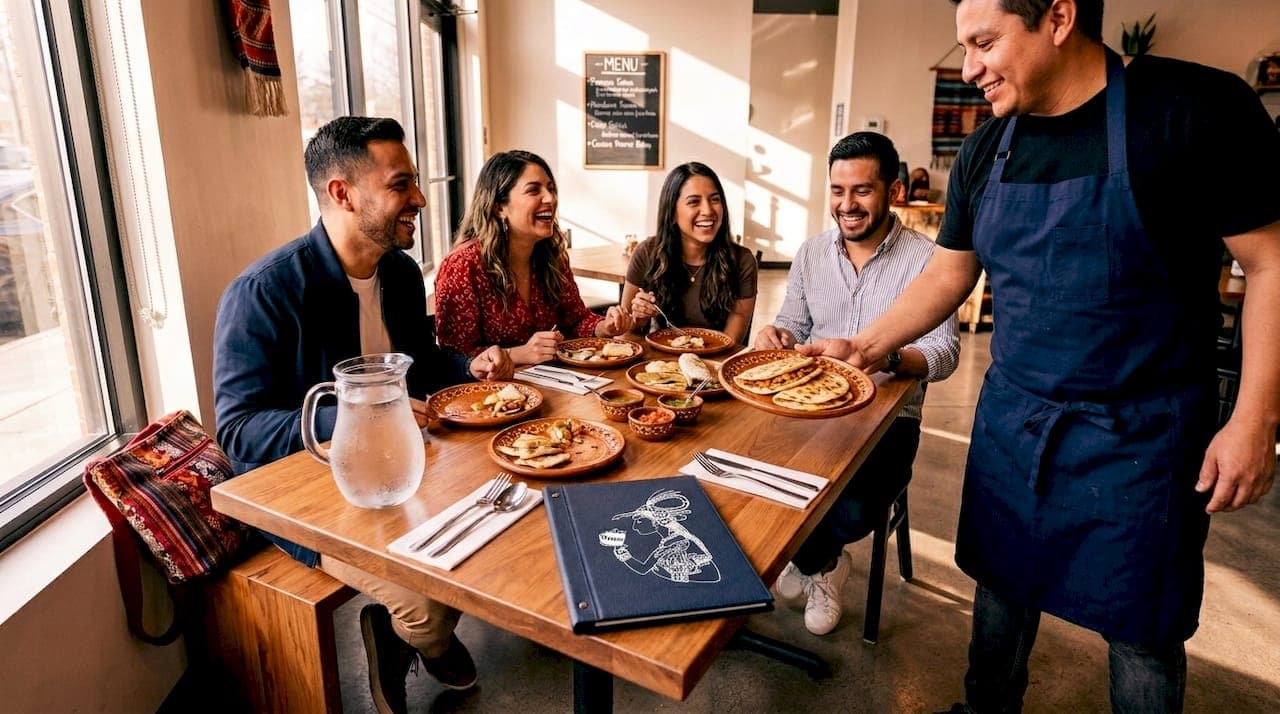
Walk into what's billed as a "modern Honduran restaurant" and you might expect a straightforward menu of baleadas and rice and beans. What you actually find is something far more layered: a chef-driven dining concept that honors Mesoamerican foodways while folding in Gulf seafood, contemporary plating, and a brunch menu that could rival any neighborhood bistro. Modern Honduran cuisine is not a fixed point. It's a living conversation between heritage and innovation, and understanding what drives that conversation changes how you eat, order, and appreciate every dish on the table.
Table of Contents
- What is a modern Honduran restaurant?
- Key features: Menu, format, and atmosphere
- Gulf South integration: Local flavors meet Honduran traditions
- Atmosphere and the rise of chef-driven experiences
- Edge cases: Blending boundaries with Central American cuisine
- Our perspective on what "modern" really means
- Experience modern Honduran cuisine at Alma Café
- Frequently asked questions
Key Takeaways
| Point | Details |
|---|---|
| Signature staples | Modern Honduran restaurants always feature classic Honduran dishes enhanced by contemporary elements. |
| Chef-driven innovation | These venues stand out for creative plating, fusion with local flavors, and elevated dining formats. |
| Gulf South influence | Integration of local ingredients like Gulf seafood highlights regional adaptation while honoring Honduran roots. |
| Flexible boundaries | 'Modern' can mean expanding to Central American influences and new service styles. |
What is a modern Honduran restaurant?
The phrase "modern Honduran restaurant" gets used loosely, so let's pin it down. At its core, it describes a dining concept that keeps recognizable Honduran staples at the center while applying contemporary restaurant practices around them. Think updated plating, expanded menu formats covering brunch through dinner, and cross-regional culinary influences woven in with intention rather than accident.
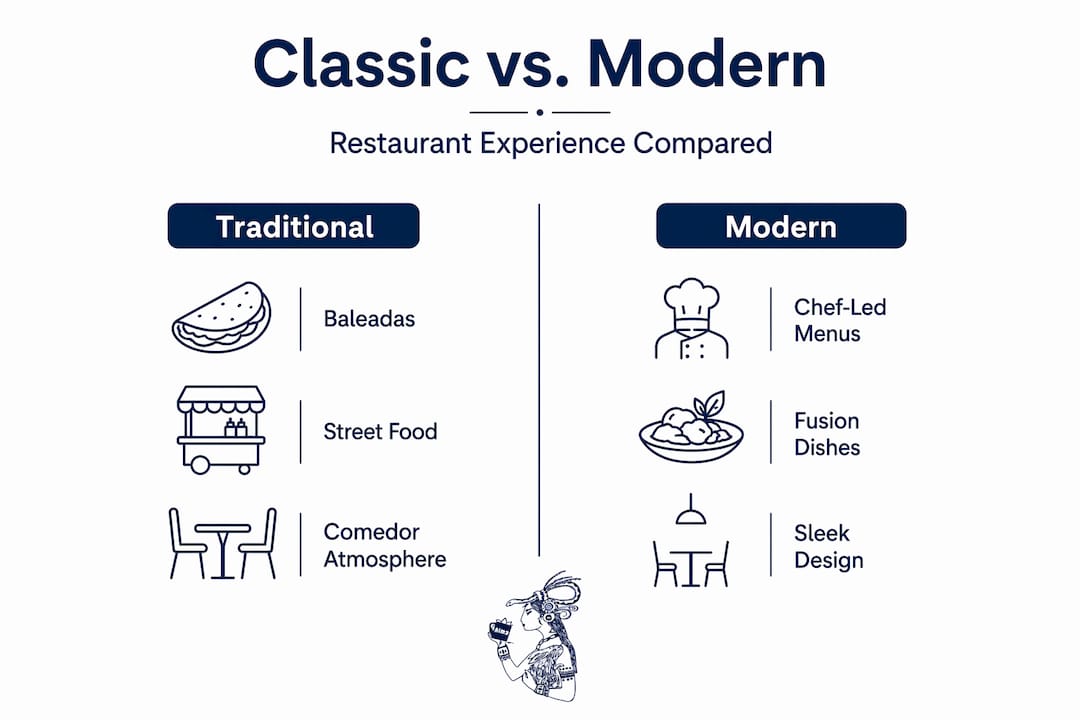
This is fundamentally different from a traditional Honduran comedor or street food stand, where the focus is on speed, familiarity, and affordability. A comedor serves baleadas the way your grandmother made them. A modern Honduran restaurant asks what happens when a trained chef applies technique, seasonal sourcing, and deliberate storytelling to that same baleada.
Alma (New Orleans) frames its goal as showcasing Honduran heritage through a chef's modern culinary approach, which captures the spirit of this genre perfectly. The heritage stays intact. The approach evolves.
Here's a quick comparison to make that distinction concrete:
| Feature | Traditional Honduran | Modern Honduran |
|---|---|---|
| Menu scope | Core staples, limited variation | Expanded formats (brunch, cocktails, tasting menus) |
| Plating style | Rustic, generous, unfussy | Composed, chef-curated, visually intentional |
| Ingredient sourcing | Local staples, regional produce | Seasonal, sometimes hyperlocal or fusion |
| Service model | Counter service or casual table | Reservation-driven, full-service dining |
| Atmosphere | Functional, community-focused | Designed, experiential, hospitality-led |
Key markers that signal a restaurant belongs in the modern category:
- A menu that spans multiple dayparts (breakfast, brunch, lunch, dinner)
- Cocktail and specialty coffee programs alongside the food
- Dishes that reference Honduran tradition but show clear chef interpretation
- An interior designed to create a specific mood or narrative
- Staff trained in hospitality rather than just order-taking
For a deeper look at how traditional preparations travel into modern kitchens, the Honduran street food guide traces exactly how those roots inform what ends up on a contemporary plate.
"Modern Honduran cuisine is not about erasing where the food came from. It's about giving it a new stage."
Key features: Menu, format, and atmosphere
With the definition grounded, the next question is practical: how do you recognize a modern Honduran restaurant when you walk through the door? There are three reliable signals, and they work together rather than in isolation.
1. Honduran staples anchor the menu. You will always find baleadas, some form of beans and rice (often moros y cristianos), slow-cooked meats, tostones, and tropical fruit preparations. These are non-negotiable. They're the cultural spine of the menu, and a restaurant that removes them entirely has stopped being Honduran in any meaningful sense.
2. Contemporary format surrounds those staples. The best restaurants in New Orleans increasingly reflect this pattern: a core ethnic culinary identity wrapped in a service format that American diners recognize and trust. Brunch service, handcrafted cocktail menus, plated courses with composed garnishes, and reservation systems all signal that the restaurant is operating in a modern dining register.
3. Local adaptation or fusion cues show deliberate chef intent. This is where the creativity lives. A chef might fold Gulf shrimp into a traditional preparation, use locally milled corn for tortillas, or build a cocktail around a Honduran spirit paired with a Southern botanical. These choices aren't random. They reflect a conscious decision to root the restaurant in its specific location while honoring its culinary origin.
Here's how those three signals break down across menu categories:
| Menu category | Traditional anchor | Modern adaptation |
|---|---|---|
| Breakfast | Eggs with beans and tortillas | Farm eggs, house-made tortillas, tropical fruit compote |
| Brunch | Not typically a format | Full brunch service with cocktails and pastries |
| Lunch | Rice, beans, meat plate | Composed plates with seasonal produce |
| Dinner | Hearty stews and grilled meats | Chef-driven tasting options, elevated plating |
| Drinks | Horchata, coffee | Specialty espresso, Latin American spirit cocktails |
Pro Tip: When scanning a menu to assess whether a restaurant is genuinely modern Honduran versus simply rebranded, look at the drink program first. A thoughtful cocktail menu built around Latin American spirits and fresh tropical ingredients almost always signals a chef-driven concept with real culinary intention behind the food as well.
The numbered approach to spotting a modern Honduran restaurant:
- Check the menu for Honduran staples (baleadas, tostones, moros y cristianos)
- Look for expanded daypart coverage (brunch, dinner, cocktails)
- Identify fusion or local-adaptation cues in dish descriptions
- Assess the atmosphere for design intentionality
- Note whether the restaurant has a named chef or culinary director
Explore modern menu options to see how these principles look in practice across a full restaurant program.
Gulf South integration: Local flavors meet Honduran traditions
New Orleans is one of the most interesting laboratories for modern Honduran cuisine precisely because the Gulf South already has such a strong culinary identity of its own. When a Honduran chef sets up in Mid-City or Uptown, they're not operating in a neutral space. They're entering a food culture with deep opinions about seafood, spice, and hospitality.
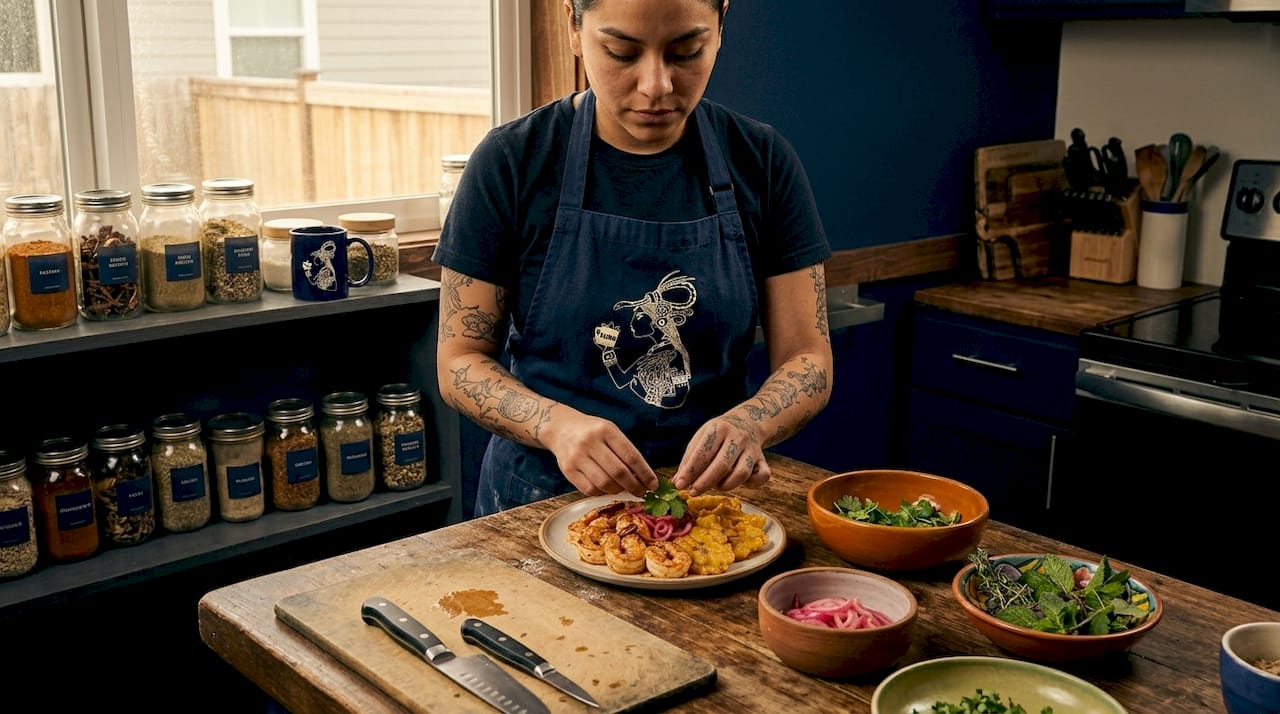
The result is something genuinely new. Modern Honduran in New Orleans means explicitly pairing Honduran dishes with Gulf ingredients and culinary sensibilities, creating a hybrid that still foregrounds Honduran identity. This isn't fusion for its own sake. It's a natural response to place.
Consider what that looks like on a plate:
- Baleadas topped with Gulf shrimp sautéed in achiote butter instead of standard refried beans alone
- Tostones served alongside a local crab preparation rather than a generic dipping sauce
- Jasmine rice cooked with Gulf seafood stock, adding depth without losing the dish's Honduran character
- Tropical fruit sourced from Louisiana farmers markets, keeping the flavor profile authentic while supporting local agriculture
The New Orleans Honduran restaurant scene has grown significantly as chefs recognize that the Gulf South's emphasis on fresh seafood, bold seasoning, and communal eating aligns naturally with Honduran culinary values. Both traditions celebrate slow cooking, layered spice, and the idea that food is fundamentally about gathering people together.
Statistic worth noting: The Gulf Coast seafood industry supplies some of the most diverse shellfish and finfish varieties in North America, giving Gulf South chefs access to ingredients that pair beautifully with the citrus, chile, and tropical fruit profiles that define Honduran cooking. That ingredient overlap is not coincidental. It's one reason the integration feels so natural rather than forced.
Pro Tip: If you're ordering at a Gulf South Honduran restaurant for the first time, ask your server which dishes reflect local sourcing. Those are usually the dishes where the chef's creativity is most fully expressed, and they're often the most memorable things on the menu.
The key to understanding Gulf South integration is recognizing that Honduran identity doesn't disappear in these restaurants. It leads. The Gulf South elements are supporting cast, not the headline. A shrimp baleada is still a baleada. The shrimp just happens to have come out of the Gulf that morning.
Atmosphere and the rise of chef-driven experiences
Food is only part of what makes a modern Honduran restaurant feel modern. The atmosphere does significant work. A restaurant can serve the same baleada as a street cart and feel completely different based on lighting, music, table design, and how the staff interacts with guests.
"Modern doesn't mean expensive. It means intentional. Every design choice in a chef-driven restaurant is a decision about what story the space is telling."
Formalizing Honduran cuisine in a reservation-driven, casual-elegant setting is itself a political and cultural act. It signals that this cuisine belongs in the same conversation as French bistros and Japanese omakase counters. That matters for how diners perceive the food before they even take a bite.
The elements that define a modern Honduran atmosphere:
- Lighting design that shifts between dayparts, brighter and more energetic for brunch, warmer and more intimate for dinner
- Curated music that reflects the cultural roots of the cuisine, often a mix of Latin rhythms, Caribbean influences, and contemporary sounds
- Open kitchen or visible preparation areas that connect diners to the cooking process and reinforce the chef-driven narrative
- Thoughtful tableware where the plates, bowls, and glassware are chosen to complement the food's visual presentation
- Hospitality training that goes beyond order-taking to genuine storytelling about dishes, ingredients, and culinary traditions
Chef-driven menus also change seasonally or reflect ingredient availability in ways that traditional Honduran restaurants rarely do. This keeps the dining experience dynamic and gives regulars a reason to return even when they already know the core menu. It also signals that the chef is actively engaged with the food rather than simply executing a fixed formula.
Explore how chef-driven restaurants build these experiential layers into their overall concept.
Edge cases: Blending boundaries with Central American cuisine
Not every restaurant that calls itself Honduran operates within a strict definition of Honduran cuisine. Some broaden their scope intentionally, offering dishes from Guatemala, El Salvador, Nicaragua, or other Central American traditions alongside Honduran staples. This is especially common in diaspora communities where a single restaurant may serve the culinary needs of multiple Central American immigrant groups.
Some Honduran restaurants broaden into Central American offerings, which complicates a strict definition of "modern Honduran" but also reflects the real cultural landscape of these communities. A restaurant that serves both Honduran baleadas and Salvadoran pupusas is not being inauthentic. It's responding to its community's actual needs and tastes.
Key things to understand about these edge cases:
- Shared ingredients create natural overlap. Corn, beans, plantains, and tropical fruits appear across Central American cuisines, making cross-regional menus feel cohesive rather than confused.
- Diaspora context shapes identity. In cities where the Central American population is diverse, a restaurant may lean into a broader regional identity to serve more people while still maintaining a Honduran-forward brand.
- "Modern" labeling can signal flexibility. When a restaurant describes itself as modern, it often signals openness to menu evolution, which can include incorporating dishes from neighboring culinary traditions.
- The Honduran identity can remain primary even with a mixed menu. The chef's background, the core dishes, and the cultural storytelling can all stay rooted in Honduras even when the menu includes regional neighbors.
Understanding this spectrum helps you appreciate the evolution of Honduran food abroad without getting caught up in rigid categorization. The Central American blend restaurants that navigate this territory successfully do so by being transparent about their influences and letting the quality of the food speak louder than any label.
Our perspective on what "modern" really means
Here's something the broader food media conversation tends to get wrong: "modern" in the context of Honduran cuisine is not about sophistication layered over something humble. That framing implies the original food needed improvement, which it didn't. What modern actually means in this context is amplification. It's taking a cuisine that has always been rich, complex, and deeply intentional and giving it the platform, the presentation, and the context to be fully seen.
The Gulf South integration piece is particularly important to us. New Orleans has a long history of absorbing culinary traditions and transforming them into something that belongs to the city without erasing where those traditions came from. Honduran cuisine is doing exactly that right now in this city. The baleada doesn't become a New Orleans dish. New Orleans becomes a place where the baleada is understood and celebrated.
What we push back against is the idea that a restaurant has to choose between authenticity and modernity. That's a false choice. The most honest version of modern Honduran cuisine is one where every innovation is traceable back to a real culinary tradition, where the Gulf shrimp in your baleada makes sense because the chef understands both the Honduran preparation and the Gulf Coast ingredient at a deep level. Modernity without roots is just novelty. Roots without evolution is a museum. The space between those two things is where the most interesting food lives.
Experience modern Honduran cuisine at Alma Café
If this article has made you curious about what modern Honduran cuisine actually tastes like in practice, we'd love to be your answer.
At Alma Café, we've built our entire program around the principles described here: Honduran staples at the center, Gulf South ingredients woven in with intention, and a hospitality experience that honors both the food and the people eating it. From our morning tortillas and farm egg preparations through our handcrafted cocktail service and chef-driven dinner menu, every daypart reflects the same commitment to heritage and innovation. Whether you're coming for brunch with friends or a quiet dinner with someone you want to impress, the food will tell you a story. We hope you'll come hear it.
Frequently asked questions
What dishes are always on a modern Honduran restaurant menu?
Core staples like baleadas, meat pies, moros y cristianos, and tostones are nearly always featured in some form, as modern Honduran restaurants keep recognizable Honduran staples at the center of their menus even when surrounding dishes evolve.
How do modern Honduran restaurants differ from street food spots?
They bring chef-driven approaches, fusion techniques, and contemporary ambiance to classic Honduran fare, applying contemporary restaurant practices rather than only serving street-style preparations.
What makes a Honduran restaurant "Gulf South modern"?
These restaurants pair Honduran dishes with local Gulf ingredients and dining customs, creating a culinary hybrid unique to the region, as seen in Gulf South Honduran dining that foregrounds Honduran identity while embracing local context.
Can a modern Honduran restaurant also offer other Central American dishes?
Yes, some Honduran restaurants broaden their menus to include Central American items while maintaining a Honduran-forward brand, especially in diaspora communities where multiple regional traditions overlap.